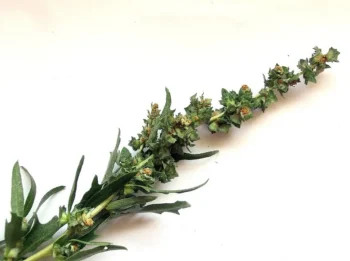
Tatarian Orache: An Uninvited Garden Guest Worth Understanding
If you’ve stumbled across a weedy-looking plant with triangular leaves in your garden or local vacant lot, you might have encountered Tatarian orache (Atriplex tatarica). While this annual herb isn’t likely to win any beauty contests, it’s worth understanding what it is and why it shows up where it does.
What is Tatarian Orache?
Tatarian orache is an annual plant that belongs to the goosefoot family. Don’t let the fancy name fool you – this is essentially a weed that has made itself at home far from its native territory. Originally from Eurasia, particularly eastern Europe and western Asia, this plant has somehow found its way to several U.S. states and decided to stick around.
Where You’ll Find It
Currently, Tatarian orache has established populations in Connecticut, Florida, New Jersey, New York, Pennsylvania, and Wisconsin. It’s what botanists call a non-native species that reproduces on its own in the wild without any human help – basically, it’s become a naturalized resident that nobody officially invited to the party.
- Species observed
- No observations
What Does It Look Like?
Let’s be honest – Tatarian orache isn’t going to wow anyone with its looks. This modest annual herb produces small, triangular to diamond-shaped leaves and tiny, unremarkable greenish flowers. It’s the kind of plant that blends into the background until you’re specifically looking for it.
Should You Grow It?
Here’s the thing about Tatarian orache – it’s not really something you’d intentionally plant. It typically shows up in disturbed areas, waste places, and other spots where more desirable plants struggle. While it’s not currently listed as invasive, its non-native status means it doesn’t provide the same ecological benefits as our native plants.
Growing Conditions (If You’re Curious)
Tatarian orache is remarkably unfussy about where it grows. It tolerates:
- Poor, disturbed soils
- Full sun exposure
- Drought conditions
- Generally tough growing conditions that would challenge other plants
As an annual, it completes its entire life cycle in one growing season, setting seed before winter arrives.
Wildlife and Pollinator Value
Unfortunately, Tatarian orache offers minimal benefits to local wildlife and pollinators. Its flowers are wind-pollinated, which means they don’t produce nectar or attract beneficial insects the way native plants do.
Better Native Alternatives
Instead of tolerating Tatarian orache, consider these native alternatives that provide real ecological value:
- Four o’clock (Mirabilis nyctaginea) – native annual with attractive flowers
- Native saltbush species (Atriplex species native to your region)
- Wild spinach (Chenopodium species) – native relatives in the same plant family
The Bottom Line
While Tatarian orache isn’t necessarily harmful, it’s not contributing much to your local ecosystem either. If you spot it in your garden, you can leave it be or remove it – either way, consider adding some native plants that will actually support local wildlife and pollinators. Your garden (and the birds and bees) will thank you for it!