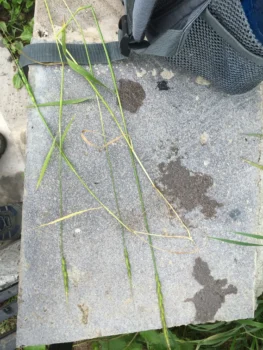
Tausch’s Goatgrass: A Non-Native Grass You Probably Don’t Want in Your Garden
If you’ve stumbled across the name Tausch’s goatgrass (Aegilops tauschii) while researching plants for your garden, you might be wondering if this grass species deserves a spot in your landscape. The short answer? Probably not – and here’s why this unassuming annual grass is better left to agricultural researchers than home gardeners.
What is Tausch’s Goatgrass?
Tausch’s goatgrass is an annual grass that belongs to the same family as wheat, corn, and other familiar grasses. You might also see it listed under its synonym Aegilops squarrosa in older references. Despite its humble appearance, this little grass has played a fascinating role in agricultural history as a wild relative of wheat, contributing genetic material that helped create the bread wheat we know today.
Where Does It Come From?
This grass isn’t native to North America – it originally hails from Central Asia, particularly regions around the Caspian Sea. However, it has established itself as a non-native species that reproduces on its own in parts of the United States. Currently, you can find populations growing wild in Arizona, California, and New York, where it has managed to naturalize without human assistance.
- Species observed
- No observations
Why Most Gardeners Should Skip This Grass
Let’s be honest – Tausch’s goatgrass isn’t winning any beauty contests. Here’s why it’s not the best choice for your garden:
- Limited aesthetic appeal: It’s a plain-looking annual grass with narrow leaves and unremarkable seed heads
- Minimal wildlife benefits: As a wind-pollinated grass, it doesn’t attract pollinators like bees or butterflies
- Better alternatives exist: Native grasses offer superior beauty and ecological benefits
- Self-seeding tendency: It can spread on its own, potentially where you don’t want it
Growing Conditions and Care
If you’re determined to grow Tausch’s goatgrass (perhaps for research purposes), it’s relatively undemanding. This adaptable annual thrives in USDA hardiness zones 6-10 and tolerates various soil types, though it prefers well-drained conditions. Once established, it’s quite drought tolerant and requires minimal care. The grass grows from seed and can self-seed readily, so be prepared for volunteers in following seasons.
Better Native Alternatives
Instead of planting this non-native grass, consider these beautiful native alternatives that will support local wildlife and add genuine charm to your landscape:
- Little bluestem (Schizachyrium scoparium): A gorgeous native bunch grass with blue-green foliage that turns bronze in fall
- Buffalo grass (Poaceae dactyloides): Perfect for drought-tolerant lawns in appropriate regions
- Purple needlegrass (Stipa pulchra): California’s state grass with elegant, flowing seed heads
- Blue grama (Bouteloua gracilis): A charming short grass with distinctive eyelash-like seed heads
The Bottom Line
While Tausch’s goatgrass has its place in agricultural research and wheat breeding programs, it’s not a plant that most gardeners need to consider. Its plain appearance, minimal wildlife benefits, and non-native status make it a poor choice compared to the many stunning native grasses available. Save your garden space for plants that will truly shine and support your local ecosystem – your pollinators, birds, and neighbors will thank you!