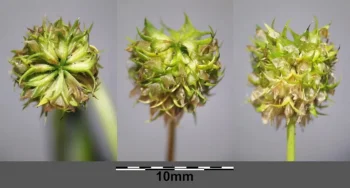
Teasel Clover: A Small But Mighty Ground Cover Option
If you’re looking for a low-maintenance ground cover that doesn’t mind poor soil, teasel clover (Trifolium retusum) might catch your eye. This petite annual clover brings a subtle charm to gardens with its tiny pink to white flowers and compact growth habit, though it comes with some considerations worth knowing about.
What is Teasel Clover?
Teasel clover is a small annual forb in the legume family, meaning it’s an herbaceous plant without woody stems that completes its entire life cycle in one growing season. Also known by its synonym Trifolium parviflorum, this little clover produces delicate, rounded flower heads that add texture rather than bold color to the landscape.
Where Does It Come From?
Originally native to the Mediterranean region of southern Europe, teasel clover has made its way to parts of the western United States. You’ll find it growing wild in California and Oregon, where it has established itself as a non-native species that reproduces on its own without human intervention.
- Species observed
- No observations
Should You Plant Teasel Clover?
Here’s where things get interesting. As a non-native species, teasel clover isn’t the first choice for native plant enthusiasts, but it’s not necessarily a garden villain either. Since its invasive status isn’t clearly documented, it falls into that gray area of introduced plants that have found a niche without causing obvious ecological harm.
Consider teasel clover if you:
- Need a low-maintenance ground cover for poor soil areas
- Want something that self-seeds for naturalized spaces
- Appreciate subtle, cottage garden-style plantings
- Live in a Mediterranean climate where it thrives naturally
Native Alternatives to Consider
Before reaching for teasel clover, consider these native options that provide similar benefits:
- Native clovers like Trifolium wormskioldii (cow clover) in California
- Regional wildflower mixes featuring local annual species
- Native grasses that provide ground cover and wildlife habitat
Growing Teasel Clover Successfully
If you decide to try teasel clover, you’re in for an easy gardening experience. This little plant is refreshingly undemanding and actually prefers the kind of neglect that would stress out fussier species.
Ideal Growing Conditions
Teasel clover thrives in:
- Full sun locations
- Poor to average, well-draining soil
- Sandy or rocky conditions that other plants struggle with
- USDA zones 8-10, though as an annual, it’s more about seasonal timing
Planting and Care Tips
The beauty of teasel clover lies in its simplicity:
- Direct seed in fall or early spring when soil temperatures are cool
- Scatter seeds lightly over prepared soil – no need to bury deeply
- Water gently until germination, then reduce watering
- Once established, it’s quite drought tolerant
- Allow some plants to go to seed for next year’s crop
Wildlife and Pollinator Benefits
While teasel clover may not be native, it does offer some ecological value. Its small flowers attract minor pollinators like small bees, and as a legume, it helps fix nitrogen in the soil. However, native plants will always provide superior wildlife habitat and food sources for local ecosystems.
The Bottom Line
Teasel clover occupies an interesting middle ground in the gardening world. It’s not native, but it’s also not aggressively invasive. It’s useful for tough spots where other plants struggle, but native alternatives would serve your local ecosystem better. If you choose to grow it, enjoy its understated charm while keeping an eye on its spread, and always prioritize native species in your overall landscape design.
Remember, the best garden is one that balances your personal preferences with ecological responsibility. Whether teasel clover fits that balance is ultimately up to you and your specific gardening goals.