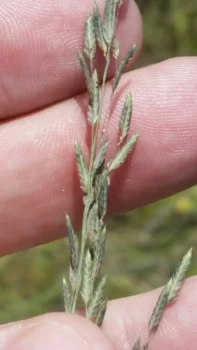
Thalia Lovegrass: A Lesser-Known Perennial Grass Worth Understanding
If you’ve stumbled across the name thalia lovegrass in your gardening research, you’re probably wondering what exactly this grass is and whether it belongs in your landscape. Let’s dive into what we know about this intriguing perennial grass and help you decide if it’s right for your garden.
Meet Thalia Lovegrass
Thalia lovegrass (Eragrostis atrovirens) is a perennial grass that falls into that wonderful category of graminoids – basically the fancy term for grasses and grass-like plants. This includes not just true grasses but also sedges, rushes, and their relatives. You might also see it referenced by its scientific synonyms, including Eragrostis chariis or Eragrostis nutans, though these names can be a bit confusing since they sometimes refer to different plants entirely.
Where Does It Come From?
Here’s where things get interesting – thalia lovegrass isn’t a native North American plant. It’s what botanists call an introduced species, meaning it originally came from somewhere else but has made itself at home in certain parts of the United States. Once established, it reproduces on its own without any human help and tends to stick around.
Currently, you can find thalia lovegrass growing wild in Alabama, Florida, Georgia, and it’s also present in some Pacific territories including Guam and Palau. This distribution suggests it prefers warmer, more humid climates.
- Species observed
- No observations
The Wetland Connection
One fascinating aspect of thalia lovegrass is its relationship with water. In multiple regions – including the Atlantic and Gulf Coastal Plain, Eastern Mountains and Piedmont, and Hawaii – it’s classified as facultative for wetland status. This basically means it’s a flexible plant that can handle both wet and dry conditions, though it doesn’t require wetlands to survive.
This adaptability could make it useful in areas where water levels fluctuate, but it also means the plant might show up in places where you weren’t expecting it.
Should You Plant It?
This is where things get a bit tricky. While thalia lovegrass isn’t currently listed as invasive or noxious, there’s still a lot we don’t know about this plant. Information about its growth habits, wildlife benefits, and ecological impact is limited, which makes it difficult to give you a definitive recommendation.
If you’re drawn to the idea of adding this grass to your landscape, consider these points:
- It’s a non-native species, so it won’t support local ecosystems the same way native plants do
- Its facultative wetland status suggests it might be quite adaptable – potentially too adaptable
- Limited information makes it hard to predict how it will behave in your specific garden
Better Native Alternatives
Instead of taking a chance on thalia lovegrass, why not consider some native alternatives that will definitely benefit your local ecosystem? Depending on your region, you might want to look into:
- Native Eragrostis species that are indigenous to your area
- Other native bunch grasses suited to your climate
- Native sedges or rushes if you’re dealing with wet areas
Your local native plant society or extension office can help you identify the best native grass options for your specific location and growing conditions.
The Bottom Line
While thalia lovegrass might seem like an interesting addition to your garden, the lack of detailed information about its behavior and ecological impact makes it a bit of a wild card. Given that there are plenty of well-studied native grass alternatives available, you’re probably better off choosing plants that you know will play nicely with your local ecosystem.
Remember, every plant choice in your garden is an opportunity to support local wildlife, from the tiniest soil microbes to the birds and butterflies that visit your yard. When in doubt, going native is usually your best bet for creating a thriving, sustainable landscape that benefits both you and your local environment.