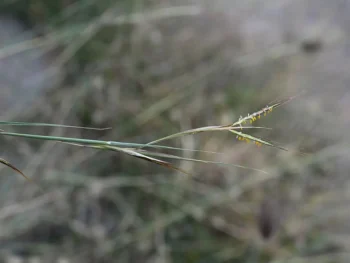
Thatching Grass: A Hardy Perennial for Challenging Landscapes
If you’re looking for a tough, drought-tolerant grass that can handle poor soils and neglect, thatching grass (Hyparrhenia hirta) might catch your attention. This perennial grass has made itself at home in several U.S. states, though it’s not originally from North America. Let’s dive into what makes this grass tick and whether it deserves a spot in your landscape.
What Is Thatching Grass?
Thatching grass is a perennial grass species that belongs to the graminoid family – basically, it’s a true grass with all the characteristics you’d expect. Originally hailing from Africa, the Mediterranean, and parts of Asia, this hardy plant has established itself as a non-native species that reproduces and persists without human help in its adopted homes.
You might also see it listed under its former scientific name, Andropogon hirtus, in older gardening references, but today it’s properly known as Hyparrhenia hirta.
Where Does Thatching Grass Grow?
In the United States, you’ll find thatching grass growing in California, Hawaii, and Texas. It has successfully naturalized in these areas, meaning it’s reproducing and spreading on its own in the wild.
- Species observed
- No observations
The Good, The Bad, and The Grassy
Before you decide whether thatching grass belongs in your garden, let’s weigh the pros and cons:
The Positives:
- Extremely drought-tolerant once established
- Thrives in poor soils where other plants struggle
- Low maintenance requirements
- Can help with erosion control on slopes
- Adds texture and movement to landscape designs
The Considerations:
- Non-native origin means it doesn’t support local ecosystems as well as native alternatives
- Can be an aggressive spreader in ideal conditions
- Limited wildlife and pollinator benefits compared to native grasses
Growing Thatching Grass Successfully
If you decide thatching grass fits your landscape goals, here’s how to grow it successfully:
Ideal Growing Conditions:
- Full sun exposure
- Well-draining soils (it actually prefers poor soils)
- USDA hardiness zones 8-11
- Minimal water once established
Planting and Care Tips:
- Plant in spring after the last frost
- Space plants appropriately as they can spread
- Water regularly during establishment, then reduce to minimal watering
- Cut back periodically to prevent excessive spreading
- Monitor for aggressive growth and manage accordingly
Consider Native Alternatives
While thatching grass can serve a purpose in challenging landscapes, consider exploring native grass alternatives first. Native grasses provide better support for local wildlife, birds, and pollinators while often being just as drought-tolerant and low-maintenance. Check with your local native plant society or extension office for recommendations specific to your area.
The Bottom Line
Thatching grass can be a practical choice for difficult sites where few other plants will thrive, especially in Mediterranean-style or xeriscaped gardens. However, its non-native status means it should be planted thoughtfully and managed carefully to prevent unwanted spread. If you do choose to grow it, be prepared to monitor its growth and consider it part of a broader landscape strategy that prioritizes native plants wherever possible.
Remember, the best garden is one that balances your practical needs with environmental responsibility – and sometimes that means choosing the native option over the easy one.