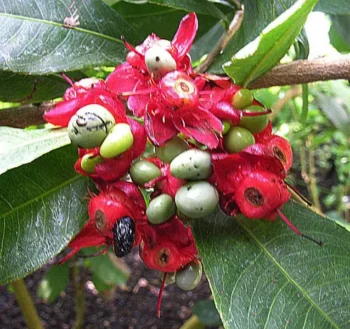
Thomas’ Bird’s-Eye Bush: A Lesser-Known Tropical Shrub
If you’ve stumbled across the name Thomas’ bird’s-eye bush (Ochna thomasiana), you’re likely dealing with one of the more mysterious members of the plant world. This perennial shrub has found its way into Hawaii’s landscape, but information about this particular species is surprisingly scarce – even among plant enthusiasts and botanical databases.
What is Thomas’ Bird’s-Eye Bush?
Thomas’ bird’s-eye bush is a multi-stemmed woody shrub that typically grows less than 13-16 feet in height. Like other shrubs, it usually develops several stems from or near ground level, creating a bushy appearance. This plant belongs to the Ochna genus, which is known for producing attractive yellow flowers followed by distinctive fruits.
You might also see this plant listed under its synonym Ochna kirkii, but Ochna thomasiana is the currently accepted botanical name.
Where Does It Grow?
Currently, Thomas’ bird’s-eye bush is documented as growing in Hawaii, where it’s considered a non-native species that has naturalized. This means it reproduces on its own in the wild without human intervention and has established persistent populations.
- Species observed
- No observations
Should You Plant Thomas’ Bird’s-Eye Bush?
Here’s where things get tricky. While this shrub isn’t currently listed as invasive or noxious, the lack of detailed information about its behavior, growing requirements, and ecological impact makes it difficult to recommend with confidence.
Consider Native Alternatives Instead
Rather than taking a chance on this little-known species, consider these native Hawaiian alternatives that offer similar shrub characteristics:
- ʻAʻaliʻi (Dodonaea viscosa) – A hardy native shrub with colorful seed capsules
- Naupaka (Scaevola taccada) – Coastal native with unique half-flowers
- ʻIlima (Sida fallax) – Produces cheerful yellow-orange flowers
- Māmaki (Pipturus albidus) – Supports native wildlife and has cultural significance
The Mystery of Limited Information
One of the most notable things about Thomas’ bird’s-eye bush is how little documented information exists about its cultivation, care requirements, or ecological relationships. This could mean:
- It’s a rare species with limited distribution
- It hasn’t been widely studied or cultivated
- It may be confused with other Ochna species in the literature
What We Don’t Know
Unfortunately, key information that gardeners typically need remains unknown for this species:
- Specific growing conditions and soil preferences
- USDA hardiness zones
- Water and light requirements
- Pollinator and wildlife benefits
- Propagation methods
- Potential invasive tendencies
The Bottom Line
While Thomas’ bird’s-eye bush might sound intriguing, the lack of available information makes it a risky choice for most gardeners. Without knowing its specific needs, potential impacts, or even basic care requirements, you’d essentially be experimenting.
Instead, stick with well-documented native species that you know will thrive in your local conditions while supporting local ecosystems. If you’re specifically interested in the Ochna genus, research other better-known species and always verify they’re appropriate for your region.
Sometimes the most responsible gardening choice is saying I’ll pass and choosing plants with a proven track record of success and environmental compatibility.