Three-Awn Grass: A Drought-Tolerant Ornamental for Warm Climate Gardens
Looking for a low-maintenance grass that can handle scorching summers and minimal water? Three-awn grass (Stipagrostis pungens) might just be the hardy performer your garden needs. This distinctive ornamental grass brings a touch of Mediterranean charm to landscapes, though it’s not for everyone or every climate.
What Is Three-Awn Grass?
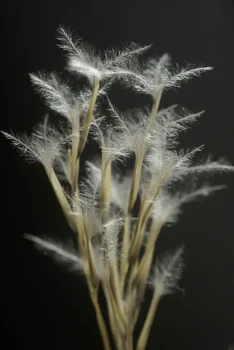
Three-awn grass, scientifically known as Stipagrostis pungens, is a perennial grass native to North Africa’s arid regions. You might also see it listed under its former name, Aristida pungens. True to its common name, this grass produces seed heads with three distinctive bristle-like appendages called awns that give it a unique, almost feathery appearance.
As a non-native species in North American gardens, three-awn grass offers an interesting alternative for gardeners seeking drought-tolerant options, though we always encourage considering native alternatives first.
Where Three-Awn Grass Comes From
This resilient grass calls the Mediterranean regions and arid zones of North Africa home, where it has adapted to survive in some pretty tough conditions. It’s naturally found in areas with sandy soils, intense sun, and limited rainfall.
Why You Might (or Might Not) Want to Grow It
Reasons to consider three-awn grass:
- Extremely drought tolerant once established
- Adds interesting texture and movement to landscapes
- Low maintenance requirements
- Unique seed heads provide visual interest
- Thrives in poor, sandy soils where other plants struggle
Potential drawbacks:
- Limited to warm climate zones (8-11)
- Not native to North America
- May not provide significant wildlife benefits compared to native grasses
- Can look sparse in cooler, wetter conditions
Growing Conditions and Care
Three-awn grass is refreshingly uncomplicated to grow if you can meet its basic needs:
Sunlight: Full sun is essential. This grass won’t thrive in shade and needs those intense rays to perform its best.
Soil: Well-draining, sandy soils are ideal. Heavy clay or constantly moist soils are a no-go. If your soil holds water, consider raised beds or containers.
Water: Once established (usually after the first growing season), this grass can survive on minimal water. During establishment, provide regular watering, then gradually reduce.
Climate: Hardy in USDA zones 8-11, three-awn grass prefers warm climates and won’t tolerate hard freezes.
Planting and Maintenance Tips
Getting three-awn grass established is straightforward:
- Plant in spring after the last frost date
- Space plants 18-24 inches apart for mature spread
- Water regularly during the first growing season to establish roots
- Once established, water only during extended dry periods
- Cut back in late winter or early spring before new growth begins
- No fertilizer needed – this grass prefers lean conditions
Landscape Uses
Three-awn grass works well in:
- Xeriscaped gardens and water-wise landscapes
- Mediterranean-style gardens
- Rock gardens and gravel gardens
- Coastal plantings (where hardy)
- Containers for texture and movement
Consider Native Alternatives
While three-awn grass can be a useful addition to warm-climate gardens, consider these native alternatives that provide similar drought tolerance and ornamental value:
- Little bluestem (Schizachyrium scoparium)
- Buffalo grass (Bouteloua dactyloides)
- Blue grama grass (Bouteloua gracilis)
- Sideoats grama (Bouteloua curtipendula)
These native grasses offer similar drought tolerance while providing greater benefits to local wildlife and supporting regional ecosystems.
The Bottom Line
Three-awn grass can be a solid choice for gardeners in warm, dry climates who want a low-maintenance ornamental grass with unique character. Just remember that it’s not native to North America, so consider whether a native alternative might better serve both your garden goals and local wildlife. If you do choose to grow it, you’ll be rewarded with a tough, distinctive grass that laughs in the face of drought once it’s settled in.