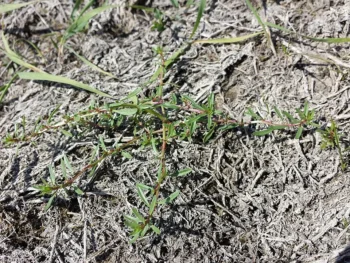
Threebract Loosestrife: A Wetland Perennial for Water-Loving Gardens
If you’re looking to add some purple pizzazz to your water garden or soggy backyard spot, threebract loosestrife (Lythrum tribracteatum) might catch your eye. This perennial forb brings delicate spikes of pink to purple flowers to consistently wet areas where many other plants would throw in the towel and give up.
What Is Threebract Loosestrife?
Threebract loosestrife is a perennial forb—essentially a non-woody plant that comes back year after year. Unlike its woody shrub cousins, this plant keeps its growing points at or below ground level, making it well-adapted to wet conditions where it can spread and establish colonies over time.
Native Status and Distribution
Here’s where things get interesting: threebract loosestrife isn’t actually native to North America. This European and western Asian transplant has made itself at home in the western United States, particularly in California, Idaho, Nevada, and Utah. It reproduces on its own in the wild and has become a naturalized part of these landscapes.
- Species observed
- No observations
Growing Conditions and Hardiness
This water-loving plant is what botanists call an obligate wetland species, which is a fancy way of saying it almost always needs wet feet to thrive. If you’re gardening in USDA hardiness zones 4-9, threebract loosestrife can handle your winters just fine.
Here’s what this plant craves:
- Full sun to partial shade
- Consistently moist to wet soil
- Tolerance for standing water
- Rich, organic soil when possible
Garden Role and Landscape Design
Threebract loosestrife shines in specific garden situations. Consider it for:
- Rain gardens and bioswales
- Bog gardens and water features
- Pond margins and stream banks
- Wetland restoration projects
- Areas with poor drainage
The plant’s upright growth habit and colorful flower spikes make it an excellent choice for adding vertical interest to water gardens, while its spreading nature helps it serve as effective ground cover in wet areas.
Aesthetic Appeal and Pollinator Benefits
Don’t let the humble forb classification fool you—threebract loosestrife puts on quite a show. Its narrow leaves create an attractive backdrop for spikes of small pink to purple flowers that bloom throughout much of the growing season. These nectar-rich blooms are magnets for bees, butterflies, and other small pollinators looking for a reliable food source.
Planting and Care Tips
Growing threebract loosestrife successfully is refreshingly straightforward:
- Plant in spring after the last frost
- Ensure consistent moisture—this plant doesn’t like to dry out
- Minimal fertilization needed in rich, wet soils
- Be aware that it can spread by underground rhizomes
- Divide clumps every few years if they become too large
A Word About Alternatives
While threebract loosestrife can be a useful addition to wet gardens, consider exploring native alternatives that provide similar benefits while supporting local ecosystems. Native sedges, rushes, and wetland wildflowers often offer comparable aesthetic appeal with the added bonus of being perfectly adapted to your local climate and wildlife needs.
The Bottom Line
Threebract loosestrife occupies a specific niche in the gardening world. If you have a persistently wet area that needs covering and you want something that blooms reliably, this non-native perennial might fit the bill. Just remember to keep it contained and consider native options first—your local pollinators and wildlife will thank you for it!