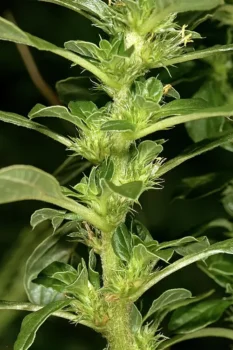
Thunberg’s Amaranthus: A Lesser-Known Non-Native Annual
If you’ve stumbled across the name Thunberg’s amaranthus (Amaranthus thunbergii) in your gardening research, you’re looking at one of the more obscure members of the amaranth family. This non-native annual has quietly made its way into parts of the American Southeast, though it remains relatively uncommon and understudied compared to its more famous amaranth cousins.
What is Thunberg’s Amaranthus?
Thunberg’s amaranthus is an annual forb, which simply means it’s a non-woody plant that completes its entire life cycle in one growing season. Like other amaranths, it lacks the woody stems of shrubs and trees, instead producing herbaceous growth that dies back each winter. This plant belongs to a large family that includes both ornamental species and edible varieties like grain amaranth.
Where Does It Grow?
Currently, Amaranthus thunbergii has been documented growing in South Carolina, where it has established itself as a non-native species that reproduces without human assistance. As an introduced plant, it originally came from elsewhere but has found conditions suitable enough to persist in the wild in this southeastern state.
- Species observed
- No observations
Should You Grow Thunberg’s Amaranthus?
Here’s where things get a bit tricky. While this amaranth isn’t classified as invasive or noxious (at least not in available records), there’s also very little information about its garden performance, care requirements, or ecological benefits. For most gardeners, this presents a compelling case for choosing better-documented alternatives instead.
Consider Native Alternatives Instead
Rather than experimenting with this relatively unknown species, consider these fantastic native options that offer similar characteristics with proven garden performance:
- Palmer’s amaranth – Though this can be weedy, native amaranths provide excellent wildlife value
- Native wildflowers – Species like wild bergamot or purple coneflower offer reliable beauty and wildlife benefits
- Native annuals – Consider sunflowers, cosmos, or native morning glories for annual color
The Bottom Line
While Thunberg’s amaranthus isn’t necessarily problematic, it’s also not particularly well-suited for home gardens due to the lack of available growing information and its non-native status. Your garden space is precious real estate, and you’ll likely get much better results from well-documented native plants that support local ecosystems while providing reliable beauty.
If you’re drawn to the amaranth family, explore the many native species available in your region, or try well-known ornamental varieties like love-lies-bleeding or Joseph’s coat, which offer dramatic foliage and flowers with established care guidelines.
Remember, every plant we choose is a vote for the kind of landscape we want to create. Why not make that vote count for native biodiversity and proven garden success?