Thunberg’s Geranium: A Shade-Loving Perennial Worth Considering
If you’re hunting for a reliable perennial that thrives in those tricky shady spots, Thunberg’s geranium (Geranium thunbergii) might just catch your eye. This modest little charmer has been quietly making itself at home in American gardens, though it’s actually a world traveler from East Asia.
What Exactly Is Thunberg’s Geranium?
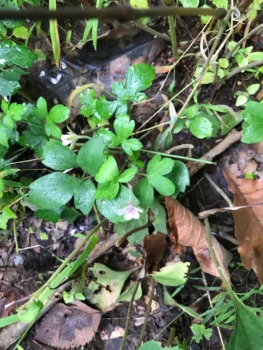
Don’t let the name fool you – this isn’t your grandmother’s window box geranium! Thunberg’s geranium is a true geranium (unlike those showy pelargoniums we often call geraniums). This perennial forb grows as a low, spreading plant with deeply divided, palm-shaped leaves that create an attractive carpet of green.
The small pink to purple flowers appear in late spring to early summer, each about half an inch across. While they won’t stop traffic, they add a delicate charm that’s perfect for close-up viewing in woodland settings.
Where Does It Come From and Where Does It Grow?
Originally from Japan and Korea, Thunberg’s geranium has established itself as a non-native species in several eastern states. You’ll find it growing wild (and in gardens) across Connecticut, Maryland, Massachusetts, New Jersey, New York, and North Carolina. It reproduces on its own quite happily, which speaks to its adaptable nature.
- Species observed
- No observations
Should You Plant It in Your Garden?
Here’s the thing about Thunberg’s geranium – it’s one of those it depends plants. While it’s not native to North America, it’s also not currently listed as invasive or problematic. It fills a useful niche as a shade-tolerant ground cover that doesn’t require much fussing over.
The pros:
- Thrives in shade where many plants struggle
- Low maintenance once established
- Provides modest pollinator benefits
- Attractive foliage texture
- Hardy in USDA zones 5-8
The considerations:
- Not native, so it won’t support local ecosystems as well as native alternatives
- Can self-seed, though not aggressively
- Flowers are small and not particularly showy
Native Alternatives to Consider
If you’re leaning toward supporting native plants (and we love that!), consider these shade-loving alternatives:
- Wild ginger (Asarum canadense) for ground cover
- Coral bells (Heuchera americana) for similar foliage interest
- Wild columbine (Aquilegia canadensis) for delicate flowers
- Foamflower (Tiarella cordifolia) for woodland charm
How to Grow Thunberg’s Geranium Successfully
If you decide to give this little geranium a try, you’ll find it refreshingly easy to please. Here’s what it needs to thrive:
Growing Conditions
- Light: Partial to full shade (it actually prefers shade!)
- Soil: Moist, well-draining soil with organic matter
- pH: Adaptable to most soil pH levels
- Water: Consistent moisture, but not waterlogged
Planting Tips
Plant Thunberg’s geranium in spring after the last frost. Space plants about 12-18 inches apart to allow for their spreading habit. Work some compost into the planting area to give them a good start.
Care and Maintenance
This is where Thunberg’s geranium really shines – it’s wonderfully low-maintenance! Once established, it needs minimal care. Water during dry spells, and you can deadhead spent flowers if you want to prevent self-seeding (though the seedheads have their own subtle appeal).
The Bottom Line
Thunberg’s geranium is like that reliable friend who doesn’t demand much attention but always shows up when you need them. It’s not the most exciting plant in the garden, but it fills its role as a dependable shade ground cover with quiet competence. If you choose to grow it, you’ll have a low-fuss perennial that adds texture and modest color to those challenging shady spots.
Just remember – while it’s not problematic, choosing native alternatives when possible helps support local wildlife and ecosystems. Whatever you decide, your shade garden will benefit from having something green and growing in those darker corners!