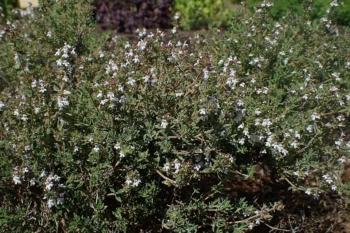
Thymus thracicus: An Elusive Thyme with Limited Garden Potential
If you’ve stumbled across the name Thymus thracicus in your plant research, you’re likely wondering what makes this particular thyme special—and whether it deserves a spot in your garden. Here’s the honest truth: this mysterious member of the mint family is something of an enigma in the gardening world, and that might not be such a good thing for home gardeners.
What We Know (And Don’t Know) About This Plant
Thymus thracicus belongs to the beloved thyme genus, those wonderfully aromatic herbs that make our gardens smell like Mediterranean hillsides. The species name thracicus suggests connections to ancient Thrace, a region that encompassed parts of modern-day southeastern Europe and Turkey. However, beyond this geographical hint and its synonym Thymus lanicaulis Ronniger, reliable information about this plant becomes surprisingly scarce.
The lack of available data about its native range, growing habits, and cultivation requirements presents a significant challenge for gardeners. Without clear information about its geographical distribution, we can’t provide a definitive map of where this plant naturally occurs.
The Garden Reality Check
Here’s where things get tricky for enthusiastic gardeners: Thymus thracicus appears to be either extremely rare, poorly documented, or possibly even taxonomically uncertain. This creates several practical problems:
- Sourcing plants or seeds may be nearly impossible through typical garden channels
- Growing requirements remain largely unknown
- Climate adaptability and hardiness zones are undefined
- Pollinator benefits and wildlife value are undocumented
Better Thyme Alternatives for Your Garden
Instead of chasing this elusive species, consider these well-documented and readily available thyme alternatives that will actually thrive in your garden:
- Common Thyme (Thymus vulgaris) – The classic culinary herb with excellent pollinator appeal
- Creeping Thyme (Thymus serpyllum) – Perfect ground cover with beautiful flowers
- Wild Thyme (Thymus pulegioides) – Great for naturalized areas and wildlife gardens
- Lemon Thyme (Thymus citriodorus) – Adds citrusy fragrance and culinary versatility
The Bottom Line for Gardeners
While the mystery surrounding Thymus thracicus might intrigue plant collectors, it’s not a practical choice for most gardeners. The lack of cultivation information, uncertain availability, and unknown growing requirements make it a risky investment of time and garden space.
Your garden—and the pollinators that visit it—will be much happier with well-established thyme species that offer proven beauty, fragrance, and ecological benefits. Save yourself the frustration and choose a thyme that comes with a reliable track record and clear growing instructions.
Sometimes in gardening, the most exciting choice isn’t the most mysterious one—it’s the one that actually grows and thrives in your backyard.