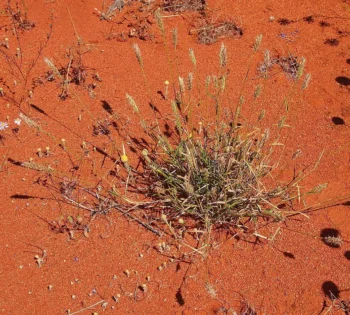
Thyridolepis: The Mystery Grass That’s Probably Not in Your Garden
If you’ve stumbled across the name Thyridolepis in your native plant research, you’ve discovered one of botany’s more elusive characters. This grass-like plant genus is so obscure that even seasoned native gardeners and botanists might scratch their heads when they hear the name.
What We Know (And Don’t Know) About Thyridolepis
Thyridolepis belongs to the graminoid group, which means it’s a grass or grass-like plant. Think of the botanical equivalent of that friend who’s always mysteriously busy – we know it exists in the grass family tree, but details about its appearance, habits, and preferences remain largely unknown.
Here’s what makes Thyridolepis particularly puzzling:
- No widely recognized common name
- Extremely limited documentation in botanical literature
- Unknown native range and distribution
- Unclear growing requirements and characteristics
Why You Probably Won’t Find It at Your Local Nursery
The reality is that Thyridolepis is so poorly documented that it’s unlikely to be available in the nursery trade. This could be because:
- It may be an obsolete genus name that’s been reclassified
- It could be extremely rare or restricted to very specific habitats
- The genus might have limited horticultural value or appeal
Better Grass Alternatives for Native Gardens
Instead of searching for the elusive Thyridolepis, consider these well-documented native grasses that will actually thrive in your garden:
- Little Bluestem (Schizachyrium scoparium) – gorgeous fall color and wildlife value
- Buffalo Grass (Poaceae family) – drought-tolerant and low-maintenance
- Native sedges (Carex species) – perfect for wet areas and shade
- Prairie Dropseed (Sporobolus heterolepis) – fragrant and elegant
The Takeaway for Native Gardeners
While Thyridolepis remains a botanical mystery, this highlights an important lesson for native gardeners: not every plant name you encounter will lead to a garden-worthy species. Sometimes the most rewarding approach is to focus on well-documented native plants with proven benefits for local ecosystems.
If you’re interested in adding native grasses to your landscape, work with local native plant societies, extension services, or reputable native plant nurseries. They can guide you toward grasses that are not only available but perfectly suited to your region’s growing conditions and wildlife needs.
Remember, the best native garden is one filled with plants that are well-adapted to your area and provide real benefits to local wildlife – even if they don’t have mysterious names that send you down botanical rabbit holes!