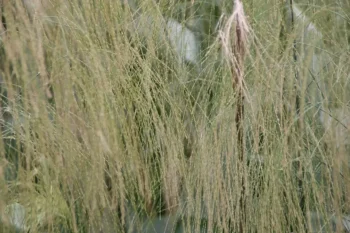
Tiger Grass: The Dramatic Ornamental That Commands Attention
If you’re looking to make a bold statement in your garden, Thysanolaena maxima—commonly known as Tiger Grass or Broom Corn Grass—might just be the showstopper you’ve been searching for. This impressive ornamental grass brings tropical flair and architectural beauty to landscapes, though it’s definitely not for the faint of heart or small spaces!
What Makes Tiger Grass Special?
Tiger Grass is a true giant among ornamental grasses, reaching heights of 6 to 12 feet with a spread of 4 to 6 feet. Its broad, lance-shaped leaves create a lush, tropical appearance, while tall, feathery plumes emerge in late summer and fall, adding dramatic texture and movement to the garden. The plant’s impressive size and bold presence make it an excellent specimen plant or backdrop for smaller garden features.
Where Does Tiger Grass Come From?
Originally native to Southeast Asia, including India, Nepal, Bhutan, Myanmar, Thailand, and southern China, Tiger Grass has adapted well to cultivation in warmer climates around the world. In its native habitat, it grows in mountainous regions and is often used for traditional crafts and construction materials.
Is Tiger Grass Right for Your Garden?
Tiger Grass thrives in USDA hardiness zones 9-11, making it suitable for gardeners in the warmest regions of the United States. Here’s what to consider:
Perfect for:
- Large tropical or subtropical gardens
- Contemporary landscape designs
- Creating dramatic focal points
- Privacy screens or backdrops
- Gardens with plenty of space to accommodate its size
Not ideal for:
- Small gardens or tight spaces
- Areas with harsh winter conditions
- Low-maintenance garden designs
- Regions outside zones 9-11
Growing Tiger Grass Successfully
Site Selection and Conditions
Tiger Grass performs best in full sun to partial shade with moist, well-draining soil. While it can tolerate various soil types, it thrives in rich, organic matter-amended soil. Choose a location protected from strong winds, as the tall culms can be damaged by severe weather.
Planting and Care Tips
- Plant in spring after the last frost date
- Space plants 4-6 feet apart to allow for mature spread
- Water regularly, especially during dry periods
- Apply a balanced fertilizer in spring
- Cut back annually in late winter or early spring before new growth begins
- Divide clumps every 3-4 years to maintain vigor
Wildlife and Environmental Benefits
While Tiger Grass is wind-pollinated and doesn’t directly attract pollinators like flowering plants, it does provide valuable habitat and food sources for wildlife. Birds appreciate the seeds, and the dense growth offers excellent cover and nesting opportunities for various species.
A Word About Native Alternatives
If you’re passionate about supporting local ecosystems, consider exploring native ornamental grasses that provide similar dramatic impact. Depending on your region, options might include native Panicum species, Andropogon, or other indigenous grasses that offer comparable height and texture while supporting local wildlife.
The Bottom Line
Tiger Grass (Thysanolaena maxima) is an impressive ornamental that can transform a landscape with its bold presence and tropical appeal. While it requires adequate space and appropriate climate conditions, gardeners in suitable zones will find it a rewarding addition that provides year-round structure and seasonal interest. Just be prepared to give this gentle giant the room it needs to truly shine!