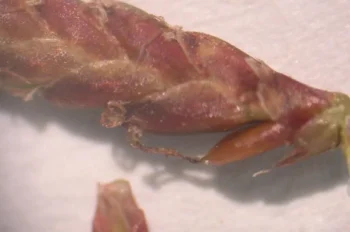
Tidalmarsh Flatsedge: Understanding This Wetland Sedge
If you’ve been exploring wetland areas in the mid-Atlantic region, you might have stumbled across a small, grass-like plant called tidalmarsh flatsedge (Cyperus serotinus). This unassuming perennial sedge has quietly made itself at home in some of our wettest habitats, and while it’s not a showstopper, it plays an interesting role in our local ecosystems.
What Is Tidalmarsh Flatsedge?
Tidalmarsh flatsedge belongs to the sedge family (Cyperaceae), making it a close cousin to grasses but with some distinct differences. As a graminoid, it has that characteristic grass-like appearance with narrow leaves and small, clustered flowers. Don’t expect anything flashy – this plant is all about function over form, with modest brownish flower heads that appear later in the growing season.
This perennial sedge is what botanists call an obligate wetland species, meaning it almost always occurs in wetland conditions. Think of it as nature’s way of saying where there’s water, there’s life.
Where You’ll Find It
Currently, tidalmarsh flatsedge has established populations in Delaware, New Jersey, and Pennsylvania. It’s worth noting that this species isn’t native to North America – it’s an introduced plant that has naturalized in these wetland areas.
- Species observed
- No observations
The Garden Reality Check
Let’s be honest: tidalmarsh flatsedge probably isn’t going to win any beauty contests in your garden. Its appeal lies more in its ecological function than its ornamental value. Since it requires consistently wet conditions and has minimal visual impact, it’s not typically chosen for home landscapes.
Growing Conditions and Care
If you’re managing a wetland restoration project or have a consistently soggy area that needs vegetation, here’s what tidalmarsh flatsedge needs:
- Water: Consistently moist to wet soil conditions
- Light: Full sun to partial shade
- Soil: Tolerates various wet soil types
- Climate: Hardy in USDA zones 6-9
The plant is relatively low-maintenance once established in suitable wetland conditions. It can tolerate periodic flooding and doesn’t require fertilization in most situations.
Consider Native Alternatives
Since tidalmarsh flatsedge is non-native, you might want to consider indigenous sedge species that provide similar ecological benefits while supporting local wildlife. Some excellent native alternatives include:
- Fox sedge (Carex vulpinoidea)
- Tussock sedge (Carex stricta)
- Pennsylvania sedge (Carex pensylvanica) for drier areas
- Woolgrass (Scirpus cyperinus)
These native sedges offer better support for local insects, birds, and other wildlife while providing similar erosion control and habitat benefits.
Wildlife and Ecological Value
While specific wildlife benefits of tidalmarsh flatsedge aren’t well-documented, sedges in general provide some ecosystem services. They help stabilize soil in wet areas, provide cover for small wildlife, and contribute to the overall plant diversity of wetland communities. However, native sedges typically offer superior wildlife value, as local fauna have evolved alongside them over thousands of years.
The Bottom Line
Tidalmarsh flatsedge is one of those plants that exists more in the background of our wetland ecosystems than in the spotlight of our gardens. If you encounter it in natural areas, it’s simply doing its job as part of the wetland plant community. For home gardeners, unless you’re specifically working on wetland restoration, you’ll likely find more satisfaction and ecological benefit from choosing native sedge species that better support local wildlife while providing similar habitat functions.
Remember, the best gardens work with nature rather than against it, and sometimes that means choosing the locals over the newcomers!