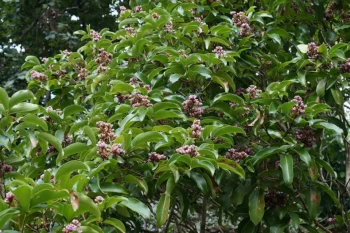
Tonka Bean: The Fragrant Tropical Giant You Probably Can’t Grow (But Should Know About)
Ever heard of tonka beans? These aromatic little treasures come from Dipteryx odorata, a magnificent tropical tree that’s as exotic as it sounds. While most North American gardeners won’t be able to grow this South American native in their backyards, it’s worth understanding this fascinating plant and its role in both natural ecosystems and human culture.
What Exactly Is a Tonka Bean Tree?
The tonka bean tree is a large, slow-growing tropical giant that can reach impressive heights in its native habitat. Known botanically as Dipteryx odorata, this tree produces the famous tonka beans—aromatic seeds that smell like vanilla mixed with almonds and have been prized for centuries in perfumery and traditional medicine.
You might also encounter this species under its older scientific names, including Coumarouna odorata or Coumarouna odora, though these synonyms are rarely used today.
Where Does It Call Home?
This tropical beauty is native to the northern regions of South America, including northern Brazil, French Guiana, Guyana, Suriname, and Venezuela. In these lush rainforest environments, tonka bean trees tower above the canopy, creating important habitat for countless species.
Why You’d Want One (If You Could Have One)
The tonka bean tree offers several appealing qualities that make it a coveted specimen:
- Stunning fragrant flowers in shades of pink to purple that attract pollinators
- Large, compound leaves that create impressive tropical foliage
- Aromatic beans with culinary and aromatic applications
- Provides habitat and food for wildlife in its native range
- Impressive size makes it a true statement tree
The Reality Check: Growing Conditions
Here’s where things get tricky for most gardeners. Tonka bean trees are strictly tropical plants that require very specific conditions:
- Climate: USDA hardiness zones 10-12 only
- Sunlight: Full sun exposure
- Soil: Well-drained, fertile soil with consistent moisture
- Humidity: High humidity levels year-round
- Space: Lots of room—these trees get big!
Unless you’re gardening in southern Florida, Hawaii, or similar tropical climates, this tree simply won’t survive in your landscape. Even in suitable climates, tonka bean trees are slow growers that require patience and consistent care.
For the Lucky Few: Care and Maintenance
If you’re fortunate enough to garden in a suitable tropical zone, here are some tips for growing tonka bean trees:
- Plant in a protected location away from strong winds
- Ensure consistent watering, especially during dry periods
- Provide rich, organic matter in the planting area
- Be patient—these trees grow slowly and may take years to flower
- Consider the mature size when selecting a planting location
Supporting Pollinators the Local Way
While tonka bean trees support tropical pollinators like bees and butterflies in their native range, North American gardeners should focus on native alternatives that provide similar benefits for local wildlife. Consider native flowering trees that offer nectar sources and habitat for your regional pollinators instead.
The Bottom Line
The tonka bean tree is undeniably fascinating and beautiful, but it’s not a realistic choice for most North American gardens. Its strict tropical requirements and non-native status mean it’s better admired from afar or experienced during travels to its native habitat.
If you’re drawn to large, flowering trees with wildlife benefits, explore native options in your area that can provide similar aesthetic appeal while supporting local ecosystems. Your regional native plant society can help you identify spectacular native trees that will thrive in your specific climate and soil conditions.
Sometimes the most beautiful plants are the ones we can’t have—and that’s okay! Understanding and appreciating species like the tonka bean tree helps us better understand the incredible diversity of plant life on our planet, even if we’re growing something entirely different in our own backyards.