Toothpickweed: A Delicate Beauty with Old-World Charm
If you’ve ever admired those airy, white flower clusters that seem to float above cottage garden borders, you might have been looking at toothpickweed (Ammi visnaga). This intriguing plant has quite the story to tell – from its Mediterranean origins to its quirky common name that hints at its historical uses.
What Exactly Is Toothpickweed?
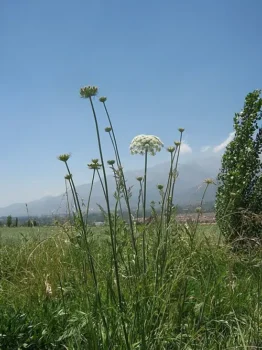
Toothpickweed is a biennial forb, meaning it’s an herbaceous plant that completes its life cycle over two years. In its first year, it develops a rosette of finely divided, feathery leaves. The magic happens in the second year when it sends up tall stems topped with spectacular flat-topped flower clusters called umbels that can stretch 4-6 inches across.
Originally hailing from the Mediterranean region, North Africa, and parts of Asia, this non-native species has made itself at home in several U.S. states including Alabama, California, Florida, North Carolina, Oregon, Pennsylvania, and Texas.
- Species observed
- No observations
The Appeal of Those Lacy Blooms
What makes toothpickweed so captivating is its delicate, almost ethereal appearance. The tiny white flowers are arranged in intricate, flat-topped clusters that create a lace-like effect in the garden. The plant typically reaches 3-5 feet tall and spreads about 1-2 feet wide, making it an excellent choice for adding vertical interest and texture to your garden beds.
Garden Roles and Design Ideas
Toothpickweed shines in several garden settings:
- Cottage gardens where its old-fashioned charm fits perfectly
- Cutting gardens – those sturdy stems and long-lasting blooms are florist favorites
- Mixed borders as a filler plant that bridges the gap between shorter and taller specimens
- Mediterranean-style landscapes where it feels right at home
- Naturalized areas where it can self-seed and create drifts
Pollinator Magnet
Those abundant tiny flowers aren’t just pretty to look at – they’re incredibly attractive to pollinators. Bees, beneficial wasps, hover flies, and other small beneficial insects flock to the nectar-rich blooms. If you’re looking to support pollinators, toothpickweed delivers in spades during its summer flowering period.
Growing Toothpickweed Successfully
The good news is that toothpickweed is refreshingly low-maintenance once you understand its needs. It thrives in USDA hardiness zones 4-9 and actually prefers conditions that might stress out fussier plants.
Ideal Growing Conditions
- Sunlight: Full sun is essential for best flowering
- Soil: Well-draining soil is crucial – it tolerates poor, sandy, or rocky soils
- Water: Drought tolerant once established, but appreciates regular water during establishment
- pH: Adaptable to various soil pH levels
Planting and Care Tips
Here’s where toothpickweed gets interesting. As a biennial, it needs a cold treatment (called vernalization) to flower properly. This means:
- Sow seeds in fall or very early spring for blooms the following summer
- Seeds need exposure to cold temperatures over winter
- First-year plants will only produce foliage – be patient!
- Second-year plants flower, set seed, and complete their cycle
- The plant often self-seeds, creating new generations
Once established, toothpickweed requires minimal care. Simply provide adequate drainage and enjoy the show. Deadheading spent flowers will prolong blooming, but leaving some to set seed ensures future generations.
Things to Consider
While toothpickweed isn’t considered invasive, it can self-seed enthusiastically in favorable conditions. Keep an eye on volunteer seedlings if you prefer more controlled garden growth. Since it’s non-native, consider pairing it with or substituting native alternatives that provide similar benefits to local wildlife.
Some excellent native alternatives that offer comparable pollinator appeal include wild bergamot (Monarda fistulosa), native asters, or yarrow species (Achillea millefolium) depending on your region.
The Bottom Line
Toothpickweed offers gardeners an easy-care option for adding delicate beauty and pollinator appeal to their landscapes. While it may not be native, its low-maintenance nature and stunning floral display make it a worthwhile addition to cottage gardens and cutting gardens. Just remember to be mindful of its self-seeding tendencies and consider incorporating native plants alongside it to best support your local ecosystem.
Whether you’re drawn to its historical intrigue, its florist-worthy blooms, or its ability to attract beneficial insects, toothpickweed might just earn a spot in your garden. After all, any plant with such an amusing common name deserves at least a second look!