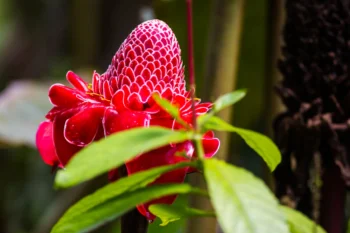
Torch Ginger: A Stunning Tropical Showstopper for Warm Climate Gardens
If you’ve ever dreamed of adding a touch of exotic drama to your garden, torch ginger (Etlingera elatior) might just be the plant that makes your neighbors do a double-take. With its spectacular crimson flower heads that look like they belong in a tropical paradise, this perennial certainly knows how to make an entrance.
What Exactly Is Torch Ginger?
Torch ginger, scientifically known as Etlingera elatior, goes by several botanical aliases including Nicolaia elatior and Phaeomeria magnifica. Despite being classified as a forb (a non-woody plant), don’t let that technical term fool you – this is one impressive specimen that can reach considerable heights and create a bold architectural statement in the right setting.
Where Does It Come From?
Originally hailing from the tropical regions of Southeast Asia – particularly Malaysia, Thailand, and Indonesia – torch ginger has found its way to various warm climate locations around the world. In the United States, you’ll find it established in Guam, Palau, and Puerto Rico, where it has naturalized and reproduces without human intervention.
- Species observed
- No observations
The Visual Wow Factor
Let’s talk about why torch ginger turns heads. The star of the show is undoubtedly its flower – a brilliant red, cone-shaped bloom that emerges directly from the ground on its own separate stem. These torches can reach impressive sizes and create a stunning contrast against the plant’s large, paddle-shaped leaves. The foliage itself is nothing to scoff at, providing lush tropical greenery that adds substance and texture to any planting scheme.
Where and How to Grow Torch Ginger
Here’s where things get a bit tricky – torch ginger is decidedly a warm-weather plant. It thrives in USDA hardiness zones 10-12, which means most of us will need to think creatively about growing conditions.
Ideal Growing Conditions:
- Warm temperatures year-round (above 60°F consistently)
- High humidity levels
- Partial shade to filtered sunlight
- Rich, well-draining soil that stays consistently moist
- Protection from strong winds
Care Tips for Success:
- Water regularly to maintain consistent soil moisture
- Provide supplemental humidity in dry climates
- Feed with a balanced fertilizer during growing season
- Mulch around the base to retain moisture and regulate soil temperature
- In cooler zones, consider growing in large containers that can be moved indoors
Garden Design Considerations
Torch ginger works beautifully as a dramatic focal point in tropical and subtropical garden designs. Its bold form and striking flowers make it perfect for creating that wow factor moment in your landscape. Consider using it as an accent plant near patios or walkways where its spectacular blooms can be appreciated up close.
This plant is particularly well-suited for tropical-themed gardens, courtyard plantings, or as a statement piece in large containers. Just remember that it needs room to spread and show off its architectural qualities.
Wildlife and Pollinator Benefits
In its native habitat, torch ginger attracts various bird species, particularly sunbirds, along with some insects. While these specific pollinators may not be present in non-native locations, the flowers can still provide nectar for local wildlife.
A Word About Planting Responsibly
Since torch ginger is not native to most areas where it’s commonly grown, it’s worth considering native alternatives that might provide similar visual impact while supporting local ecosystems. However, given that it’s not currently listed as invasive or problematic, growing it in appropriate conditions shouldn’t cause environmental concerns.
If you’re in a warm climate zone and looking for something truly spectacular, torch ginger might be worth the extra care it requires. Just be prepared to provide the warm, humid, tropical conditions this exotic beauty demands!