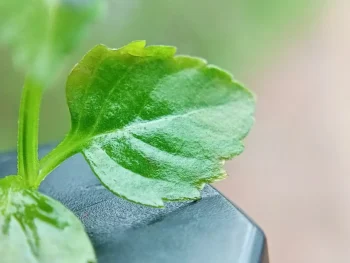
Torenia: The Charming Wishbone Flower for Shade Gardens
If you’ve been searching for a colorful annual that actually thrives in shade, you might want to get acquainted with torenia. This delightful little flower, also known as the wishbone flower, brings a splash of color to those tricky shady spots where many other annuals fear to bloom.
What Exactly is Torenia?
Torenia is a non-native annual forb that has made itself at home in parts of the United States. Originally from Southeast Asia’s tropical regions, this herbaceous plant lacks the woody stems of shrubs and trees, instead producing soft, green stems topped with charming snapdragon-like flowers.
As an introduced species, torenia reproduces spontaneously in the wild and has established populations in Florida, Hawaii, and Louisiana, where it persists without human intervention.
- Species observed
- No observations
Why Gardeners Love (and Sometimes Question) Torenia
There’s a lot to appreciate about torenia, but like any non-native plant, it comes with considerations:
The Appeal
- Blooms reliably in partial to full shade
- Produces flowers in lovely shades of purple, blue, pink, and white
- Compact growth makes it perfect for containers and small spaces
- Attracts beneficial pollinators like bees and butterflies
- Easy-care annual that doesn’t require extensive maintenance
The Considerations
Since torenia isn’t native to North America, it doesn’t provide the same ecological benefits as indigenous plants. If you’re passionate about supporting local wildlife and ecosystems, you might consider native alternatives like wild ginger, coral bells, or native violets, depending on your region.
Growing Torenia Successfully
The good news? Torenia is refreshingly easy to grow, making it a great choice for beginning gardeners or anyone who wants low-maintenance color.
Ideal Growing Conditions
- Light: Partial shade to full shade (perfect for those challenging spots!)
- Soil: Moist, well-draining soil with good organic content
- Water: Consistent moisture is key – don’t let it dry out completely
- Climate: Grown as an annual in USDA zones 2-11, though it may act as a perennial in zones 10-11
Planting and Care Tips
Getting torenia established is straightforward. Plant it after the last frost date in spring, spacing plants about 6-8 inches apart. The key to happy torenia is keeping the soil consistently moist but not waterlogged – think of it as preferring a nice drink rather than swimming in water.
Regular deadheading (removing spent flowers) will keep your torenia blooming from spring until the first frost. A light feeding with balanced fertilizer every few weeks will keep the plants vigorous and flowering abundantly.
Perfect Places for Torenia
Torenia shines in several garden situations:
- Shade gardens where color options are limited
- Container gardens on covered patios or porches
- Annual bedding displays in woodland settings
- Ground cover in temporarily shaded areas
- Mixed containers with other shade-loving plants
The Bottom Line
Torenia offers reliable color for shade gardens and containers, making it a practical choice for gardeners dealing with challenging low-light conditions. While it’s not native to North America, it’s not currently listed as invasive either. If you choose to grow it, you’ll enjoy months of cheerful blooms with minimal fuss.
However, if you’re looking to maximize your garden’s benefit to local ecosystems, consider researching native shade plants for your specific region. Many native alternatives can provide similar aesthetic appeal while supporting local wildlife and maintaining ecological balance.
Whether you choose torenia or native alternatives, the most important thing is creating a garden space that brings you joy while being mindful of your local environment.