Trailing Crabgrass: What Every Gardener Should Know About This Tropical Grass
If you’ve spent time gardening in Hawaii or other Pacific islands, you’ve likely encountered trailing crabgrass (Digitaria radicosa) without even realizing it. This low-growing annual grass has a knack for showing up uninvited in lawns, garden beds, and anywhere else it can find a foothold. While it might not be the showstopper you’d choose for your landscape, understanding this persistent little grass can help you make informed decisions about your garden.
What Is Trailing Crabgrass?
Trailing crabgrass, also simply called crabgrass, is an annual grass that belongs to the graminoid family. Unlike the upright grasses you might picture in a meadow, this one lives up to its trailing name by spreading along the ground with thin, creeping stems. It’s what botanists call a facultative plant, meaning it’s equally happy growing in wet areas or drier spots – making it quite the adaptable little survivor.
Where You’ll Find It
Originally from tropical regions of Africa and Asia, trailing crabgrass has made itself at home across the Pacific. Today, you’ll find it growing wild in Hawaii, Guam, Palau, and various U.S. Minor Outlying Islands. In Hawaii, it’s considered a non-native species that has naturalized, meaning it reproduces and spreads on its own without any help from gardeners.
- Species observed
- No observations
What Does It Look Like?
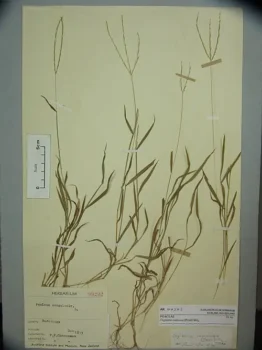
Trailing crabgrass isn’t going to win any beauty contests, but it has its own understated charm. This annual grass features:
- Thin, spreading stems that creep along the ground
- Small, narrow leaves typical of grasses
- Delicate seed heads that appear seasonally
- A low-growing, mat-forming habit
Growing Conditions
One reason trailing crabgrass shows up everywhere is its easygoing nature when it comes to growing conditions. It thrives in:
- Warm, tropical and subtropical climates (USDA zones 10-12)
- Various soil types, from sandy to clay
- Both moist and moderately dry conditions
- Full sun to partial shade
Should You Plant Trailing Crabgrass?
Here’s the thing about trailing crabgrass – most gardeners don’t deliberately plant it because it tends to show up on its own! While it’s not listed as invasive, its non-native status means it’s not contributing to local ecosystems the way native plants would.
If you’re looking for ground cover grasses or low-growing plants for your Pacific island garden, consider exploring native alternatives that will better support local wildlife and fit naturally into your regional ecosystem.
Managing Trailing Crabgrass in Your Garden
If trailing crabgrass has made itself at home in your garden and you’d prefer it elsewhere, regular maintenance is your best friend:
- Hand-pull young plants before they establish deep root systems
- Maintain thick, healthy desired vegetation to outcompete it
- Address it early in the growing season for best results
- Keep garden areas well-mulched to prevent seeds from germinating
The Bottom Line
Trailing crabgrass is one of those plants that’s neither friend nor foe – it’s simply part of the landscape in many Pacific regions. While it won’t harm your garden, it also won’t provide the ecological benefits that native plants offer. Whether you decide to live with it or manage it is entirely up to your gardening goals and aesthetic preferences.
If you’re planning a new garden or looking to enhance your existing landscape, consider researching native grasses and ground covers that will not only look great but also support the local ecosystem. Your garden – and the local wildlife – will thank you for it!