Trailing Indigo: A Sprawling Ground Cover for Warm Climate Gardens
If you’re looking for a low-maintenance ground cover that can handle tough conditions, trailing indigo (Indigofera hendecaphylla) might catch your eye. Also known as creeping indigo, this sprawling plant has made itself at home in warm climates, though it’s not originally from North America. Let’s dive into what makes this plant tick and whether it deserves a spot in your garden.
What is Trailing Indigo?
Trailing indigo is a non-native forb that belongs to the pea family. Unlike woody shrubs or trees, this plant lacks significant woody tissue and stays relatively close to the ground. It can behave as either an annual or perennial depending on your climate, and its sprawling nature makes it quite the carpet-former when conditions are right.
The plant goes by a few names – you might see it listed as creeping indigo, or find it under older scientific names like Indigofera endecaphylla or Indigofera neglecta in some references.
Where Does It Grow?
Currently, trailing indigo has established populations in Florida and Hawaii, where it reproduces on its own without human help. This non-native species originally hails from tropical regions of Africa and Asia but has adapted well to similar climates in the United States.
- Species observed
- No observations
What Does It Look Like?
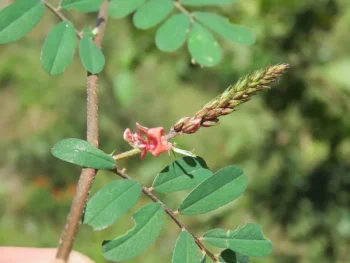
Trailing indigo puts on a modest but charming display with its small pink to purple pea-like flowers. The compound leaves typically have 9-11 leaflets (hence the hendecaphylla in its scientific name, which refers to eleven leaves). Its trailing, prostrate growth habit creates a mat-like appearance that can spread across the ground.
Garden Role and Landscape Use
This plant shines as a ground cover, particularly in areas where you need something tough and low-maintenance. It’s especially useful for:
- Erosion control on slopes
- Naturalized garden areas
- Coastal landscapes where salt tolerance is needed
- Areas with poor soil where other plants struggle
Trailing indigo works best in tropical and subtropical gardens, fitting naturally into relaxed, informal landscape designs rather than formal manicured spaces.
Growing Conditions and Care
One of trailing indigo’s selling points is its adaptability. The plant thrives in USDA hardiness zones 9-11 and can handle a range of conditions:
- Light: Full sun to partial shade
- Soil: Well-draining soils of various types
- Water: Drought tolerant once established
- Wetland tolerance: Usually prefers non-wetland areas but can tolerate some moisture
The low-maintenance nature of this plant means you won’t be fussing over it much once it’s established. However, keep in mind that it can spread aggressively, so you might need to manage its growth to keep it where you want it.
Wildlife and Pollinator Benefits
The small flowers of trailing indigo do attract some pollinators, particularly small bees and butterflies who appreciate the nectar source. As a member of the legume family, it also helps fix nitrogen in the soil, which can benefit surrounding plants.
Should You Plant It?
While trailing indigo isn’t invasive or noxious according to current listings, it’s worth considering that it’s not native to North America. If you’re in Florida or Hawaii and want a tough ground cover for challenging sites, it can certainly do the job. However, you might also want to explore native alternatives that could provide similar benefits while supporting local ecosystems.
For Florida gardeners, consider native options like sunshine mimosa (Mimosa strigillosa) or wild sensitive plant (Chamaecrista nictitans). Hawaiian gardeners might look into native ground covers like ‘ilima (Sida fallax) or native sedges.
The Bottom Line
Trailing indigo is a practical choice for gardeners in warm climates who need a reliable ground cover that can handle tough conditions with minimal care. While it’s not a native species, it’s also not currently causing major ecological problems. If you choose to grow it, just be prepared to manage its spreading tendencies and consider pairing it with native plants to create a more ecologically balanced landscape.
Whether you’re dealing with a challenging slope, a coastal garden, or just want something that won’t demand constant attention, trailing indigo might be worth considering – just remember to keep an eye on how enthusiastically it settles in!