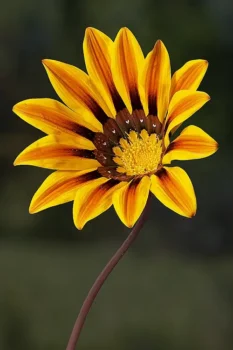
Treasure-Flower: A Dazzling South African Beauty for Your Garden
If you’re looking for a plant that delivers serious flower power with minimal fuss, treasure-flower (Gazania rigens) might just be your new garden crush. This South African stunner has been winning hearts in gardens worldwide with its bold, daisy-like blooms and incredibly easygoing nature. But before you fall head over heels, let’s dig into what makes this plant tick and whether it’s the right fit for your landscape.
What Exactly Is Treasure-Flower?
Treasure-flower goes by the botanical name Gazania rigens, though you might also see it listed under its synonym Gazania splendens. This cheerful perennial hails from the Western and Eastern Cape provinces of South Africa, where it has evolved to thrive in challenging conditions that would make other plants throw in the trowel.
The plant forms low, spreading mats of silvery-green foliage topped with vibrant flowers that seem to glow from within. These daisy-like blooms come in eye-catching shades of yellow, orange, red, and pink, often with contrasting dark centers that create stunning bull’s-eye patterns.
The Good, The Great, and The Hmm, Maybe Not
Why gardeners love treasure-flower:
- Drought tolerance that’s practically legendary once established
- Blooms continuously from spring through fall in ideal conditions
- Low maintenance requirements (perfect for busy gardeners)
- Excellent ground cover that suppresses weeds
- Attracts beneficial pollinators like bees and butterflies
- Thrives in poor soils where other plants struggle
Potential drawbacks to consider:
- Not native to North America, so it won’t support local ecosystems as effectively as native plants
- Flowers close up on cloudy days and at night (some find this disappointing)
- Can be short-lived in areas with harsh winters
- May self-seed in ideal conditions, requiring some management
Growing Treasure-Flower Successfully
The secret to treasure-flower success is understanding its Mediterranean mindset. This plant wants what many South African natives crave: lots of sun, excellent drainage, and benign neglect once established.
Ideal Growing Conditions:
- Full sun (6+ hours daily) for best flowering
- Well-draining soil (sandy or rocky soils are perfect)
- USDA hardiness zones 9-11 as a perennial; grown as an annual elsewhere
- Low to moderate water needs once established
- Not particular about soil fertility (actually prefers lean soils)
Planting and Care Tips
Plant treasure-flower after all danger of frost has passed in spring. Space plants about 12-15 inches apart to allow for their spreading habit. Water regularly during the establishment period, then gradually reduce watering as the plants settle in.
Deadheading spent flowers will encourage continuous blooming, though the plant will often self-clean to some degree. In zones where it’s hardy, you can cut back the foliage in late winter to encourage fresh growth.
One quirky trait worth noting: the flowers have a mind of their own and close up during cloudy weather and at night. Don’t panic – this is completely normal behavior!
Landscape Design Ideas
Treasure-flower shines in Mediterranean-style gardens, rock gardens, and drought-tolerant landscapes. It makes an excellent ground cover for slopes or areas where you want colorful, low-maintenance coverage. The plant also works beautifully in containers, especially cascading over the edges of large pots or raised beds.
For coastal gardens, treasure-flower’s salt tolerance makes it a valuable player, and its low profile means it won’t obstruct ocean views.
Supporting Pollinators and Wildlife
While treasure-flower does provide nectar for bees and butterflies, it’s worth noting that as a non-native plant, it doesn’t support the complete web of native insects and wildlife that indigenous plants do. The flowers are particularly attractive to honeybees and some butterfly species during daylight hours when they’re open.
Consider Native Alternatives
If you’re passionate about supporting local ecosystems, consider these native alternatives that offer similar benefits:
- Blanket flower (Gaillardia species) for similar daisy-like blooms
- Desert marigold (Baileya multiradiata) in arid regions
- Coreopsis species for bright yellow flowers
- Native sunflower species (Helianthus) for larger-scale plantings
The Bottom Line
Treasure-flower is a reliable, colorful performer that asks for very little while delivering months of bright blooms. While it’s not native to North America, it’s not considered invasive either, making it a reasonable choice for gardeners seeking low-maintenance color in challenging growing conditions.
If you choose to grow treasure-flower, you’ll be rewarded with a plant that’s as tough as it is beautiful. Just remember to appreciate its quirky habit of closing up shop when the sun goes away – think of it as the plant’s way of saving energy for the next sunny day spectacular!