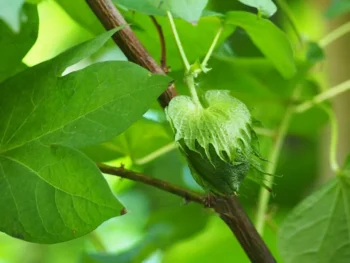
Tree Cotton: An Intriguing Non-Native Addition to Warm Climate Gardens
Ever wondered what a cotton plant looks like in full bloom? Tree cotton (Gossypium arboreum) might just be the conversation starter your garden needs! This fascinating shrub brings a touch of agricultural history right to your backyard, complete with cheerful yellow flowers and fluffy white cotton bolls that’ll have your neighbors doing double-takes.
What Exactly Is Tree Cotton?
Tree cotton, scientifically known as Gossypium arboreum, is a small shrub or tree that’s been cultivated for thousands of years. Don’t let the tree part fool you though – this plant typically grows more like a bushy shrub than a towering oak. You might also see it referred to by its synonym, Gossypium nanking, in older gardening references.
This isn’t your typical North American native – tree cotton originally hails from India and Pakistan, where it’s been grown for fiber production since ancient times. While it’s not native to our continent, it’s not considered invasive either, making it a neutral choice for curious gardeners in suitable climates.
Why You Might (Or Might Not) Want Tree Cotton
The Good Stuff:
- Unique conversation piece that few neighbors will have
- Educational value – great for teaching kids about natural fibers
- Attractive yellow flowers with striking red centers
- Supports pollinators like bees when in bloom
- Relatively compact size fits smaller gardens
The Not-So-Good:
- Only suitable for very warm climates (USDA zones 9-11)
- Frost will knock it back or kill it entirely
- Requires consistent warmth to produce cotton bolls
- Not native, so it doesn’t support local ecosystems like native plants would
Growing Tree Cotton Successfully
If you’re sold on trying tree cotton, here’s how to give it the best shot at success:
Location and Climate: This plant is a warm-weather lover through and through. You’ll need to be in USDA hardiness zones 9-11 to have much luck growing it outdoors year-round. In cooler areas, consider it a container plant that you can move indoors during winter.
Sunlight: Full sun is non-negotiable. Tree cotton needs at least 6-8 hours of direct sunlight daily to thrive and produce those iconic cotton bolls.
Soil Requirements: Well-draining soil is crucial – waterlogged roots spell doom for this plant. A slightly sandy or loamy soil works best, though it’s fairly adaptable to different soil types as long as drainage is good.
Watering: Keep the soil consistently moist during the growing season, but don’t let it get soggy. Think moist sponge rather than swamp. Reduce watering in winter if you’re overwintering the plant.
Care Tips: Tree cotton is relatively low-maintenance once established. Light pruning in late winter can help maintain shape, and a balanced fertilizer during the growing season will keep it happy.
Garden Design Ideas
Tree cotton works best as a specimen plant where its unique characteristics can shine. Consider placing it in:
- Educational or children’s gardens
- Specialty crop or heritage gardens
- Container gardens on patios or decks
- Mixed borders where its modest size won’t overwhelm
Supporting Local Ecosystems
While tree cotton does provide some nectar for pollinators, remember that native plants are always the best choice for supporting local wildlife and ecosystems. If you’re passionate about helping pollinators, consider pairing your tree cotton with native flowering plants like black-eyed Susan, purple coneflower, or native milkweeds that are adapted to your specific region.
Tree cotton makes for an interesting garden addition if you’re in the right climate and looking for something truly different. Just remember – while it’s a fascinating plant with a rich history, native species will always give you more bang for your conservation buck!