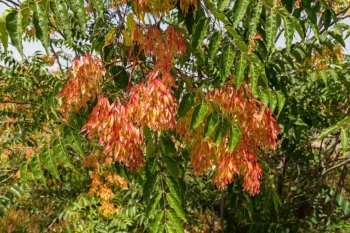
Tree of Heaven: Why This Fast-Growing Wonder Tree Should Stay Out of Your Garden
If you’ve been tempted by the promise of a super fast-growing shade tree that can handle just about any growing condition, you might have encountered the tree of heaven (Ailanthus altissima). While this perennial tree certainly lives up to its reputation for rapid growth and extreme hardiness, there’s a very important reason why you should avoid planting it in your landscape: it’s a highly invasive species that’s causing serious ecological problems across North America.
What is Tree of Heaven?
Tree of heaven is a large deciduous tree that can reach heights of up to 55 feet at maturity, with some specimens growing as tall as 50 feet in just 20 years. Originally from China and northern Vietnam, this non-native species has established itself across most of the United States and parts of Canada, where it reproduces spontaneously in the wild without human help.
The tree gets its lofty common name from its ability to grow incredibly quickly and reach impressive heights, but don’t let the heavenly moniker fool you – this plant is more of a garden devil than an angel.
Where You’ll Find Tree of Heaven
This invasive species has spread to an alarming number of locations across North America. You can find established populations in Alabama, Arizona, Arkansas, California, Colorado, Connecticut, Delaware, District of Columbia, Florida, Georgia, Hawaii, Idaho, Illinois, Indiana, Iowa, Kansas, Kentucky, Louisiana, Maine, Maryland, Massachusetts, Michigan, Mississippi, Missouri, Nebraska, Nevada, New Jersey, New Mexico, New York, North Carolina, Ohio, Oklahoma, Oregon, Pennsylvania, Rhode Island, South Carolina, Tennessee, Texas, Utah, Virginia, Washington, West Virginia, Wisconsin, as well as in Ontario and Quebec, Canada.
- Species observed
- No observations
Why Tree of Heaven is Problematic
Several states have officially recognized tree of heaven as an invasive species, with varying levels of restrictions:
- Connecticut: Invasive and Prohibited
- Delaware: Invasive
- Michigan: Invasive
- Wisconsin: Restricted
- Alabama: Category 2 invasive status
But the invasive status is just the beginning of this tree’s problems. Tree of heaven is also known to be allelopathic, meaning it releases chemicals that inhibit the growth of other plants around it. This gives it an unfair advantage over native species and can create monocultures that crowd out beneficial native vegetation.
Additionally, the tree has moderate toxicity levels, which can be concerning for households with children or pets who might come into contact with the plant material.
Identifying Tree of Heaven
Tree of heaven has several distinctive characteristics that make it relatively easy to identify:
- Large compound leaves with a coarse texture
- Rapid growth rate with a single-stem growth form
- Rounded shape and orientation when mature
- Small, green flowers that bloom in late spring
- Conspicuous yellow, papery winged seeds that persist from summer through fall
- Moderate foliage porosity in both summer and winter
Growing Conditions (For Identification and Removal Purposes)
Understanding where tree of heaven thrives can help you identify problem areas and prevent establishment:
- USDA Hardiness Zones: 4-8
- Soil preferences: Extremely adaptable to coarse, medium, and fine-textured soils
- pH tolerance: Very wide range from 4.1 to 7.9
- Moisture needs: Medium moisture use with medium drought tolerance
- Sun requirements: Shade intolerant, prefers full sun
- Wetland status: Usually found in upland areas but can tolerate some wetland conditions
What to Do Instead: Native Alternatives
Instead of planting tree of heaven, consider these fast-growing native alternatives that provide similar benefits without the ecological harm:
- Red maple (Acer rubrum) – Fast-growing with beautiful fall color
- Tulip tree (Liriodendron tulipifera) – Tall, fast-growing with unique flowers
- American basswood (Tilia americana) – Fast-growing shade tree beloved by pollinators
- Black cherry (Prunus serotina) – Quick-growing with wildlife benefits
If You Already Have Tree of Heaven
If you discover tree of heaven on your property, the best course of action is removal. However, this can be challenging because the tree has excellent resprouting ability and spreads rapidly both by seed and vegetatively. Consider consulting with a local extension office or invasive species management professional for the most effective removal strategies in your area.
Remember, with abundant seed production and rapid spread rate, even a single tree can quickly become a neighborhood problem, so prompt action is important.
The Bottom Line
While tree of heaven might seem like an attractive option for challenging growing sites, its invasive nature and negative impact on native ecosystems make it a poor choice for responsible gardeners. Instead, choose native alternatives that provide similar benefits while supporting local wildlife and maintaining ecological balance. Your garden – and your local environment – will thank you for making the more sustainable choice.