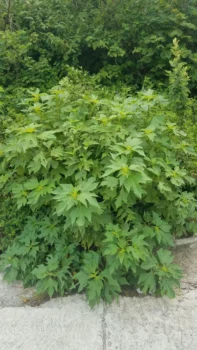
Treedaisy: A Tropical Shrub with Show-Stopping Fall Blooms
If you’re looking for a shrub that breaks the rules of when flowers should appear, meet the treedaisy (Montanoa hibiscifolia). While most plants are winding down for winter, this quirky character is just getting started, producing masses of cheerful white daisy flowers when the rest of the garden is calling it quits.
What Makes Treedaisy Special?
Treedaisy is a perennial shrub that can grow 13 to 16 feet tall, though it typically stays more manageable in garden settings. What sets it apart is its spectacular timing – just when you think flower season is over, this plant bursts into bloom with large, white daisy-like flowers sporting bright yellow centers. The blooms are complemented by broad, hibiscus-shaped leaves that give the plant its species name hibiscifolia.
Also known by its botanical name Montanoa hibiscifolia (and sometimes listed under the synonym Montagnaea hibiscifolia), this shrub brings a tropical flair wherever it grows.
Where Does Treedaisy Come From?
Originally native to Central America, particularly Guatemala and southern Mexico, treedaisy has found its way to Hawaii, where it now grows as a non-native species that reproduces naturally in the wild. In the United States, you’ll primarily find it established in Hawaii.
- Species observed
- No observations
Should You Plant Treedaisy?
Here’s the thing about treedaisy – it’s not native to North American gardens, but it’s also not considered invasive or harmful. This puts it in that neutral zone where the choice is really up to you and your gardening goals.
Reasons you might love it:
- Spectacular fall and winter blooms when most plants are dormant
- Attracts pollinators like bees and butterflies
- Low-maintenance once established
- Impressive size makes it a great specimen plant
- Tropical appearance adds exotic flair
Things to consider:
- It’s not native, so it won’t support local ecosystems as well as indigenous plants
- Limited cold tolerance (only hardy in zones 9b-11)
- Can get quite large and may need regular pruning
If you’re committed to native-only gardening, consider looking into native alternatives that bloom late in the season, such as native asters or other fall-blooming wildflowers appropriate to your region.
Perfect Spots for Treedaisy
Treedaisy works beautifully in several landscape roles:
- Specimen plant: Let it take center stage in a tropical garden
- Background shrub: Use its height to create depth in mixed borders
- Informal hedge: Plant several for a casual privacy screen
- Cottage garden accent: Its relaxed growth habit fits right into informal settings
This plant shines in tropical and subtropical gardens where its exotic appearance feels right at home.
Growing Treedaisy Successfully
Climate Requirements:
Treedaisy is strictly for warm-climate gardeners, thriving in USDA zones 9b through 11. It’s quite frost-sensitive, so if you’re in a borderline zone, be prepared to protect it during cold snaps or consider it an annual.
Ideal Growing Conditions:
- Light: Full sun to partial shade (at least 6 hours of direct sunlight)
- Soil: Well-draining soil is essential – it won’t tolerate soggy conditions
- Water: Regular watering, especially during dry periods
- Space: Give it room to spread – this isn’t a compact shrub
Planting and Care Tips
When to Plant: Spring is your best bet, giving the plant a full growing season to establish before its first winter.
Planting: Dig a hole twice as wide as the root ball but no deeper. Backfill with well-draining soil and water thoroughly.
Ongoing Care:
- Water regularly during the first year while roots establish
- Prune after flowering to maintain shape and size
- Apply mulch around the base to retain moisture and suppress weeds
- In marginal zones, consider wrapping or moving potted plants indoors during cold weather
Wildlife and Pollinator Benefits
One of treedaisy’s best features is its late-season blooms, which provide nectar when many other flowers have finished. Bees, butterflies, and other pollinators appreciate this extended feeding opportunity, making it a valuable addition to pollinator gardens – even if it’s not native.
The Bottom Line
Treedaisy offers something special: impressive late-season blooms that brighten up the garden when everything else is shutting down. While it’s not native and won’t support local ecosystems quite like indigenous plants would, it’s also not harmful to grow. If you garden in a warm climate and love the idea of daisy flowers greeting you through fall and winter, treedaisy might just earn a spot in your landscape. Just remember to give it plenty of room to show off – this is one shrub that likes to make a statement!