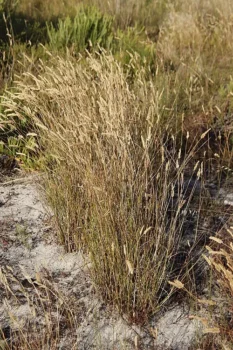
Tribolium uniolae: The Mystery Grass You’ve Probably Never Heard Of
If you’ve stumbled upon the name Tribolium uniolae in your botanical wanderings, you’re likely scratching your head wondering what exactly this plant is. Don’t worry – you’re not alone! This obscure grass species is one of those botanical mysteries that even seasoned gardeners and plant enthusiasts rarely encounter.
What We Know (And Don’t Know) About This Elusive Grass
Tribolium uniolae belongs to the graminoid family, which means it’s a grass or grass-like plant. Think of it as part of the big, diverse family that includes familiar grasses, sedges, and rushes. However, unlike its well-documented cousins, this particular species seems to prefer keeping a low profile in the botanical world.
The plant was previously known by the synonym Plagiochloa uniolae, which might ring a bell for those familiar with South African flora. This naming history suggests the species may have origins in that region, though concrete geographical distribution information remains elusive.
The Challenge of Growing the Unknown
Here’s where things get interesting (and a bit frustrating): virtually no reliable information exists about how to successfully grow Tribolium uniolae. We don’t know its preferred growing conditions, USDA hardiness zones, or even basic care requirements. This lack of information presents a real challenge for gardeners who might be curious about adding this mystery grass to their landscape.
Why This Matters for Your Garden
While the intrigue of growing something truly unusual might be tempting, the reality is that without proper growing information, attempting to cultivate Tribolium uniolae would be more of a scientific experiment than a gardening endeavor. You’d be flying blind when it comes to:
- Soil preferences and drainage needs
- Sun and shade requirements
- Watering schedules
- Winter hardiness
- Propagation methods
- Potential wildlife benefits
Better Alternatives for Grass Lovers
If you’re drawn to unique grasses for your landscape, consider exploring well-documented native grass species in your area instead. These alternatives offer several advantages:
- Proven growing requirements and care instructions
- Known wildlife and pollinator benefits
- Reliable availability from reputable nurseries
- Support for local ecosystems
Your local native plant society or extension office can provide excellent recommendations for native grasses that will thrive in your specific climate and soil conditions.
The Takeaway
Sometimes in the plant world, mystery doesn’t always equal magic. While Tribolium uniolae might sound exotic and intriguing, the lack of available growing information makes it impractical for most gardening situations. Instead of chasing botanical unicorns, focus your energy on discovering the amazing native grasses that are just waiting to transform your landscape with their proven beauty and ecological benefits.
After all, there’s something to be said for plants that come with an instruction manual!