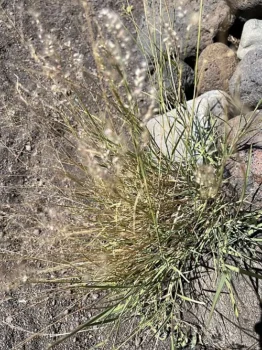
The Mystery Grass: Tricholaena teneriffae
If you’ve stumbled across the name Tricholaena teneriffae in your botanical wanderings, you’re not alone in scratching your head. This enigmatic grass species is one of those plants that seems to exist more in taxonomic records than in our gardens – and there’s a good reason for that.
What We Know (And What We Don’t)
Tricholaena teneriffae belongs to the grass family (Poaceae), making it a true grass rather than a sedge or rush. Beyond this basic classification, however, reliable information about this species becomes surprisingly scarce. Unlike its more famous grass cousins that grace our landscapes, this particular species remains largely undocumented in mainstream horticultural literature.
The Geographic Mystery
The species name teneriffae hints at a possible connection to Tenerife in the Canary Islands, but without confirmed documentation, we can’t say for certain where this grass naturally occurs or whether it’s still found in the wild today.
Should You Try to Grow It?
Here’s where things get tricky for us gardeners. With virtually no information available about:
- Growing conditions and requirements
- Climate tolerance and hardiness zones
- Size, appearance, and growth habits
- Availability from nurseries or seed suppliers
- Ecological benefits or wildlife value
It’s nearly impossible to recommend this grass for your garden. Even if you could locate seeds or plants (which would be quite the achievement), you’d be gardening completely in the dark.
Better Alternatives for Your Grass Garden
If you’re looking to add interesting grasses to your landscape, consider these well-documented and readily available options instead:
- Native bunch grasses suited to your region
- Ornamental grasses with known growing requirements
- Established species with proven wildlife and pollinator benefits
Your local native plant society or extension office can recommend grass species that will thrive in your specific area and provide real ecological benefits.
The Takeaway
Tricholaena teneriffae serves as a reminder that not every plant with a scientific name is ready for primetime in our gardens. Sometimes the most responsible thing we can do as gardeners is to focus our efforts on well-understood species that we know will succeed and contribute positively to our local ecosystems.
If you’re a botanical researcher or have reliable information about this mysterious grass, the gardening community would certainly appreciate learning more about it. Until then, we’ll file this one under fascinating but impractical in our mental plant encyclopedia.