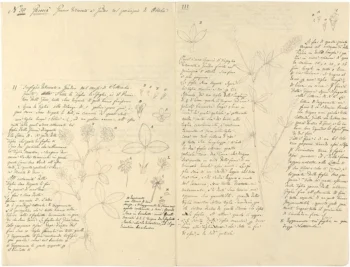
Trifolium polystachyum: The Mystery Clover That Might Not Exist
If you’ve stumbled upon the name Trifolium polystachyum in your quest for native plants, you’ve encountered quite the botanical puzzle. This supposed clover species presents a fascinating case study in the sometimes murky waters of plant taxonomy and identification.
The Great Name Game
Here’s where things get interesting (and a bit frustrating): despite belonging to the well-known Trifolium genus—home to familiar clovers we see dotting lawns and meadows—Trifolium polystachyum doesn’t appear in major botanical databases or contemporary scientific literature. This could mean several things:
- It’s an outdated synonym for a species now known by a different name
- It’s a regional common name that got mixed up with scientific nomenclature
- It’s an extremely rare species with limited documentation
- It may have been misidentified or incorrectly cataloged
What We Do Know About Clovers
While we can’t give you specific details about Trifolium polystachyum, we can tell you about the clover family in general. Most Trifolium species are:
- Low-growing, spreading plants
- Nitrogen-fixers that improve soil health
- Valuable wildlife food sources
- Generally easy to grow in various conditions
A Word of Caution for Gardeners
Before you go hunting for seeds or plants labeled as Trifolium polystachyum, pump the brakes. Without clear identification and verified information about this plant’s native status, invasive potential, or growing requirements, it’s impossible to recommend whether you should plant it in your garden.
If you’re looking to add clovers to your landscape, stick with well-documented native species in your region. Many native Trifolium species offer excellent pollinator support and soil benefits without the uncertainty.
Better Alternatives
Instead of chasing botanical ghosts, consider these well-established native clover options:
- Research native Trifolium species specific to your region
- Consult local native plant societies or extension offices
- Look for verified native legumes that provide similar benefits
- Consider other nitrogen-fixing native plants for your area
The Bottom Line
Sometimes the most honest answer is we don’t know enough. If you’ve encountered Trifolium polystachyum in a plant list or database, it’s worth double-checking the source and cross-referencing with current botanical authorities. When in doubt, choose plants with clear identification, known native status, and documented growing requirements.
Your garden—and local ecosystem—will thank you for the extra diligence in plant selection. After all, the best native garden is one filled with plants you can actually identify and grow successfully!