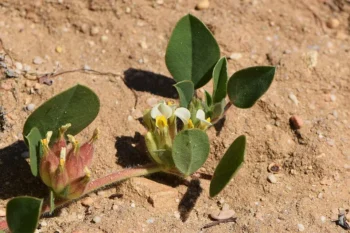
The Mystery of Tripodion: When Plant Names Lead to Dead Ends
Every now and then, even seasoned gardeners and plant enthusiasts encounter a botanical puzzle that leaves them scratching their heads. Today, we’re diving into one such enigma: Tripodion. If you’ve never heard of this plant name before, don’t worry – you’re definitely not alone!
What We Know (And Don’t Know) About Tripodion
Here’s the honest truth: despite extensive searching through botanical databases, horticultural references, and plant identification resources, Tripodion appears to be a botanical ghost. While it’s classified as a dicot (a plant with two seed leaves), that’s about where our concrete knowledge ends.
This situation isn’t entirely uncommon in the plant world. Sometimes we encounter names that are:
- Outdated taxonomic classifications that have been reclassified
- Regional or colloquial names that aren’t widely recognized
- Misspellings of more common plant names
- Extremely rare or newly described species with limited documentation
The Importance of Accurate Plant Identification
This mystery highlights why proper plant identification is so crucial for gardeners. When you can’t find reliable information about a plant’s growing requirements, native status, or potential invasiveness, it becomes nearly impossible to make informed gardening decisions.
If you’ve encountered the name Tripodion in your gardening journey, here’s what I’d recommend:
- Double-check the spelling – could it be a similar-sounding genus?
- Look for any accompanying photos or additional information
- Consult with local botanists or extension office specialists
- Consider whether it might be a regional common name for a more widely known plant
When in Doubt, Choose Known Native Plants
Rather than taking risks with mysterious or unidentifiable plants, consider focusing your garden efforts on well-documented native species. These plants offer guaranteed benefits like supporting local wildlife, requiring less maintenance once established, and contributing to your area’s ecological health.
Your local native plant society or cooperative extension office can provide excellent recommendations for native alternatives that will thrive in your specific growing conditions and support your local ecosystem.
The Takeaway
Sometimes the most valuable lesson in gardening is knowing when to say I don’t know and seek better information. While Tripodion remains a mystery for now, this experience reminds us all of the importance of reliable plant identification and the wealth of wonderful, well-documented native plants waiting to be discovered in our gardens.
Have you encountered mysterious plant names in your gardening adventures? Share your experiences – sometimes the gardening community can help solve these botanical puzzles together!