Tropical Almond: A Majestic Shade Tree for Warm Climate Gardens
If you’re looking for a stunning shade tree that brings tropical flair to your garden, the tropical almond (Terminalia catappa) might just be your perfect match. Also known as false kamani or Indian almond, this impressive tree has been winning hearts in warm climate gardens across Florida, Hawaii, and other tropical regions with its distinctive architectural form and generous shade.
What Makes Tropical Almond Special?
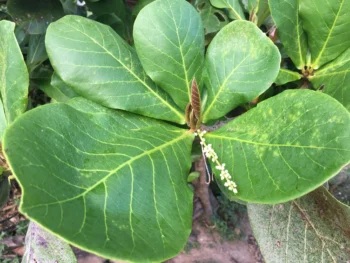
The tropical almond is a real showstopper in the landscape world. Picture a tree with large, paddle-shaped leaves arranged in distinctive horizontal tiers that create an almost umbrella-like canopy. During certain seasons, these green leaves transform into brilliant shades of red and orange before dropping, putting on quite the autumn display even in tropical climates.
This perennial tree can reach impressive heights of up to 45 feet at maturity, growing at a moderate pace with a single-stem growth form. The small white flowers may not be particularly showy, but they’re followed by brown, conspicuous fruits that add visual interest and attract wildlife.
Where Does Tropical Almond Come From?
Originally native to tropical Southeast Asia, the tropical almond has made itself at home in many warm regions around the world. In the United States, you’ll find it thriving in Florida, Hawaii, Guam, Palau, Puerto Rico, the U.S. Minor Outlying Islands, and the Virgin Islands. It’s considered non-native in these areas, having been introduced and now reproducing spontaneously in the wild.
- Species observed
- No observations
Is Tropical Almond Right for Your Garden?
The tropical almond shines as a specimen tree or shade provider in large landscapes. Its architectural branching pattern and generous canopy make it perfect for:
- Tropical and subtropical garden designs
- Coastal landscaping projects
- Large residential properties with space for a substantial tree
- Parks and public spaces
- Street tree applications in appropriate climates
Keep in mind that this tree needs room to spread – it’s not suitable for small yards or tight spaces. The falling leaves also require regular cleanup, so consider placement carefully.
Growing Conditions and Care
Tropical almond is surprisingly adaptable when it comes to growing conditions, though it does have some specific preferences:
Climate Requirements: This tree is strictly for warm climates, thriving in USDA hardiness zones 10-12. It needs frost-free conditions year-round and can handle temperatures down to about 31°F, but no lower.
Soil Preferences: The tree adapts well to coarse and medium-textured soils but struggles in heavy, fine-textured soils. It prefers slightly acidic to neutral soil with a pH between 6.0 and 7.5. Good drainage is essential, as it has low tolerance for waterlogged conditions.
Water and Sun Needs: With medium drought tolerance once established, tropical almond can handle some dry periods but performs best with regular watering. It tolerates intermediate shade but grows most vigorously in full sun.
Coastal Tolerance: While it has low salt tolerance, this tree can still work in coastal areas if protected from direct salt spray.
Planting and Care Tips
Getting your tropical almond off to a good start is key to long-term success:
- Planting: Choose a location with plenty of space for mature size. Plant in well-draining soil and water regularly during establishment
- Spacing: Allow 100-400 trees per acre in commercial plantings, giving each tree ample room to develop
- Propagation: Can be grown from seed or purchased as container plants. Seeds are readily available with about 70 seeds per pound
- Maintenance: Responds well to pruning if needed, though its natural form is quite attractive. Regular cleanup of fallen leaves will be necessary
- Fertilizing: Medium fertility requirements – occasional feeding will support healthy growth
Wildlife and Pollinator Benefits
The small white flowers of tropical almond attract various pollinators, including bees and butterflies, making it a valuable addition to pollinator-friendly gardens. The nuts that follow provide food for various wildlife species, though specific wildlife benefits may vary by region.
A Word About Native Alternatives
While tropical almond can be a beautiful addition to appropriate landscapes, consider exploring native alternatives that might offer similar benefits while supporting local ecosystems. In Hawaii, native species like kukui (Aleurites moluccanus) or in Florida, native shade trees like live oak (Quercus virginiana) in appropriate zones, can provide excellent alternatives.
The Bottom Line
Tropical almond is a magnificent tree for the right situation – large properties in warm, frost-free climates where its impressive size and architectural form can be fully appreciated. With proper care and suitable growing conditions, it can provide decades of reliable shade and tropical beauty. Just make sure you have the space and climate to let this impressive tree reach its full potential!