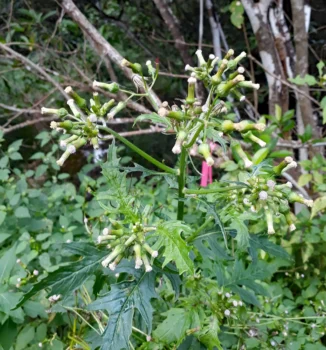
Tropical Burnweed: An Understated Annual for Warm Climate Gardens
Meet tropical burnweed (Erechtites valerianifolius), a modest annual that’s made itself at home in Hawaii and Puerto Rico. While this unassuming forb might not win any beauty contests, it offers an interesting glimpse into how plants adapt and spread to new territories.
What is Tropical Burnweed?
Tropical burnweed is an annual forb, which simply means it’s a non-woody plant that completes its entire life cycle in one growing season. As part of the sunflower family, it produces small clusters of pale, inconspicuous flowers that won’t exactly stop traffic but have their own quiet charm.
You might also encounter this plant listed under its synonyms Erechtites valerianifolia or Senecio valerianifolius in older gardening references, though these names are less commonly used today.
Where Does Tropical Burnweed Grow?
Currently, tropical burnweed has established populations in Hawaii and Puerto Rico, where it reproduces naturally without human intervention. Originally from tropical and subtropical regions of the Americas, this adaptable plant has found these island environments quite suitable for its needs.
- Species observed
- No observations
Garden Appeal and Landscape Role
Let’s be honest – tropical burnweed isn’t going to be the star of your garden show. Its small, pale flowers cluster together in modest displays that are more functional than flashy. However, this humble appearance can work in certain garden contexts where you want subtle texture rather than bold statements.
The plant works best in naturalistic or wildflower-style gardens where its informal growth habit can blend with other casual plantings. It’s particularly suited for:
- Disturbed soil areas that need quick ground cover
- Informal meadow-style plantings
- Areas where you want low-maintenance annual color
- Transitional spaces between more formal garden areas
Growing Conditions and Care
One of tropical burnweed’s strengths is its adaptability. This plant has facultative wetland status, meaning it’s equally happy in both wet and dry conditions – a real bonus for gardeners dealing with variable moisture levels.
For successful growth, provide:
- Full sun to partial shade
- Well-draining to occasionally moist soil
- USDA hardiness zones 9-11 (tropical and subtropical areas)
- Minimal care once established
Since it’s an annual, tropical burnweed will self-seed readily if conditions are right, potentially providing you with new plants each growing season without additional effort on your part.
Wildlife and Pollinator Benefits
While tropical burnweed’s small flowers may attract some small insects, it’s not considered a major pollinator plant. The modest blooms provide limited nectar and pollen resources compared to more robust native flowering species.
Should You Plant Tropical Burnweed?
Since tropical burnweed is non-native to the areas where it’s currently established, consider whether it’s the best choice for your garden goals. While it’s not currently listed as invasive, its ability to self-seed and establish in various conditions means it can spread beyond where you initially plant it.
If you’re drawn to its low-maintenance nature and adaptability, you might consider these native alternatives instead:
- Native wildflowers that support local pollinators
- Indigenous annual plants suited to your specific region
- Local native species that provide similar growing season interest
The Bottom Line
Tropical burnweed offers an example of plant adaptability and survival, but it may not be the most exciting or ecologically beneficial choice for most garden situations. Its modest appearance and non-native status make it better suited for casual, low-maintenance areas rather than prime garden real estate. If you do encounter it growing naturally in your area, you can appreciate its quiet persistence while considering more native options for intentional plantings.