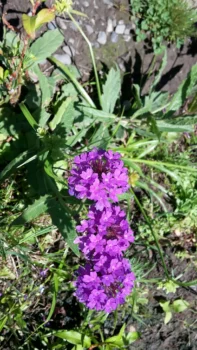
Tuberous Vervain: A Colorful But Controversial Garden Choice
If you’ve been hunting for a purple-flowered perennial that blooms all summer long, you might have stumbled across tuberous vervain (Verbena rigida). This South American native has found its way into gardens across the southern United States, and it’s definitely a plant that sparks debate among gardeners. Let’s dive into what makes this purple beauty tick and whether it deserves a spot in your landscape.
What Exactly is Tuberous Vervain?
Tuberous vervain is a perennial forb – basically a non-woody plant that comes back year after year. Don’t let the fancy botanical name fool you; this is essentially an herbaceous perennial that produces clusters of small purple flowers from summer through fall. You might also see it listed under its synonyms Verbena venosa or find varieties like lilacina floating around nurseries.
The plant gets its tuberous name from its thick, fleshy roots that help it survive drought conditions. It’s part of the verbena family, which includes both beloved garden plants and some rather aggressive spreaders.
Where Does It Grow?
Originally from South America (specifically Argentina, Brazil, and Uruguay), tuberous vervain has established itself across much of the southern United States. You’ll find it growing – sometimes a little too enthusiastically – in Alabama, Arkansas, California, Florida, Georgia, Hawaii, Louisiana, Mississippi, North Carolina, North Dakota, Oklahoma, South Carolina, Tennessee, Texas, Virginia, and Puerto Rico.
- Species observed
- No observations
The plant thrives in USDA hardiness zones 7-10, though gardeners in cooler areas sometimes grow it as an annual.
The Good, The Bad, and The Purple
Let’s start with the positives. Tuberous vervain is undeniably attractive, producing flat-topped clusters of purple-violet flowers that butterflies absolutely adore. It’s also ridiculously easy to grow – plant it and forget it, and you’ll likely have blooms from summer until the first frost. The plant is drought tolerant once established and doesn’t mind poor soil conditions.
However, here’s where things get tricky. While tuberous vervain isn’t officially listed as invasive in most areas, it does have a reputation for spreading aggressively through self-seeding. Since it’s not native to North America, it doesn’t provide the same ecological benefits as our native plants. According to wildlife studies, it only contributes about 2-5% of the diet for large animals and birds, and provides minimal cover value.
Growing Tuberous Vervain Successfully
If you decide to grow tuberous vervain, here’s how to keep it happy (and under control):
- Light: Full sun is essential for the best flowering
- Soil: Well-drained soil is key – this plant hates wet feet
- Water: Drought tolerant once established, but regular water during establishment helps
- Maintenance: Deadhead spent flowers to prevent excessive self-seeding
- Winter care: Cut back to ground level in late winter
The plant spreads both through underground roots and abundant seeds, so you’ll want to stay on top of deadheading if you don’t want it taking over your garden.
Better Native Alternatives
Before you rush out to plant tuberous vervain, consider some native alternatives that provide similar beauty with greater ecological benefits:
- Blue vervain (Verbena hastata): Native purple-flowered verbena that’s excellent for wet areas
- Wild bergamot (Monarda fistulosa): Purple-pink flowers beloved by pollinators
- New England aster (Symphyotrichum novae-angliae): Purple fall blooms that support native wildlife
- Ironweed (Vernonia species): Stunning purple flowers and important for native butterflies
The Bottom Line
Tuberous vervain is undeniably beautiful and easy to grow, making it tempting for gardeners who want low-maintenance color. However, its non-native status and tendency to spread aggressively give us pause. If you choose to grow it, practice responsible gardening by deadheading religiously and monitoring its spread. Better yet, consider native alternatives that provide similar beauty while supporting local ecosystems.
Remember, every plant choice we make in our gardens ripples out into the broader landscape. While tuberous vervain might give you that purple punch you’re after, native plants will give you that same beauty plus the satisfaction of supporting local wildlife and maintaining ecological balance.