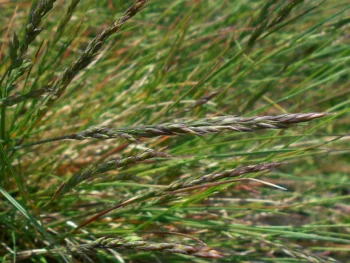
Tufted Fescue: A Mysterious Grass Worth Understanding
If you’ve stumbled across the name tufted fescue (Festuca airoides) in your gardening research, you’re not alone in finding limited information about this particular grass. As native plant enthusiasts, we sometimes encounter species names that exist in botanical literature but lack the detailed growing information we crave for our gardens.
What We Know About Tufted Fescue
Festuca airoides, commonly called tufted fescue, is classified as a perennial grass in the Poaceae family. Like other fescues, it’s a graminoid – essentially a grass or grass-like plant that forms the backbone of many natural ecosystems. The species has at least one documented synonym: Festuca ovina L. var. supina (Schur) Hack., which suggests it may be closely related to or considered a variety of sheep fescue.
The Information Gap Challenge
Here’s where things get tricky for gardeners: comprehensive information about Festuca airoides is surprisingly scarce in mainstream botanical and horticultural resources. We don’t have reliable data about its:
- Native range and geographical distribution
- Specific growing conditions and care requirements
- USDA hardiness zones
- Wildlife and pollinator benefits
- Invasive or conservation status
A Cautious Gardener’s Approach
When faced with limited information about any plant species, especially grasses that can sometimes spread aggressively, the wisest approach is caution. Without knowing the native range, growth habits, or potential invasiveness of Festuca airoides, we can’t confidently recommend it for home gardens.
Better-Documented Native Fescue Alternatives
Instead of taking a gamble on tufted fescue, consider these well-researched native fescue species that offer proven garden performance:
- Red fescue (Festuca rubra) – Excellent for naturalized areas and low-maintenance lawns
- Idaho fescue (Festuca idahoensis) – Perfect for western gardens and drought-tolerant landscapes
- Sheep fescue (Festuca ovina) – Great for rock gardens and areas with poor soil
The Importance of Choosing Well-Documented Plants
While the mystery surrounding Festuca airoides might seem intriguing, successful native gardening relies on understanding your plants’ needs, behaviors, and ecological relationships. When you choose species with abundant growing information, you’re setting yourself up for gardening success while supporting local ecosystems with confidence.
If you’re specifically interested in native grasses for your region, consult with local native plant societies, university extension services, or native plant nurseries. They can guide you toward regionally appropriate fescues and other grasses that will thrive in your specific conditions while supporting local wildlife.
Moving Forward
Sometimes the best gardening advice is knowing when to step back and choose alternatives. While Festuca airoides remains an enigma in the gardening world, plenty of other native grasses are ready to bring beauty, ecological function, and easy care to your landscape. Focus your energy on these proven performers, and you’ll create a thriving native garden that benefits both you and your local ecosystem.