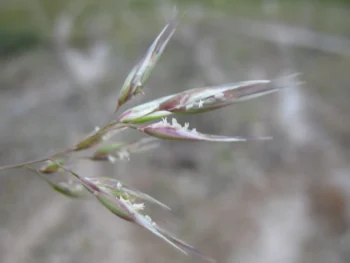
Tufted Wallaby Grass: A Low-Maintenance Ground Cover with a Quirky Name
With a name like tufted wallaby grass, you might expect this plant to hop around your garden – but don’t worry, Rytidosperma caespitosum stays put! This perennial grass has made its way from its native Australia to California gardens, where it’s found a comfortable home in Mediterranean climates.
What Is Tufted Wallaby Grass?
Tufted wallaby grass is exactly what its name suggests – a grass that grows in neat, compact tufts. This perennial belongs to the grass family and creates dense clumps of fine-textured foliage that stay relatively low to the ground. Think of it as nature’s version of a well-behaved lawn alternative that doesn’t require weekly mowing.
Where Does It Grow?
Originally from southeastern Australia, tufted wallaby grass has established itself in California, where the Mediterranean climate suits its preferences perfectly. It’s a non-native species that has naturalized in the region, meaning it can reproduce and persist without human intervention.
- Species observed
- No observations
Garden Appeal and Landscape Role
If you’re looking for a low-maintenance ground cover that won’t demand constant attention, tufted wallaby grass might catch your interest. Here’s what it brings to the table:
- Forms attractive, dense tufts that provide textural interest
- Produces delicate seed heads that add movement in breezes
- Works well for erosion control on slopes
- Suitable for naturalized areas and meadow-style plantings
- Fits beautifully in Mediterranean and drought-tolerant garden designs
Growing Conditions and Care
Tufted wallaby grass is relatively undemanding once you understand its preferences:
- Climate: Thrives in USDA hardiness zones 8-10
- Sun exposure: Full sun to partial shade
- Soil: Well-drained soils; adaptable to various soil types
- Water: Drought tolerant once established, though appreciates occasional deep watering
- Maintenance: Low maintenance; may benefit from occasional trimming to maintain appearance
Planting and Care Tips
Getting tufted wallaby grass established is straightforward:
- Plant in fall or early spring for best establishment
- Space plants according to desired coverage speed
- Water regularly during the first growing season
- Once established, it’s quite drought tolerant
- Be aware that it may self-seed in favorable conditions
Wildlife and Pollinator Benefits
As a wind-pollinated grass, tufted wallaby grass offers limited benefits to pollinators like bees and butterflies. However, it may provide some habitat and nesting material for small wildlife and ground-dwelling creatures.
Should You Plant It?
While tufted wallaby grass can be a useful addition to certain garden situations, it’s worth considering native alternatives first. California is home to many beautiful native grasses that provide superior wildlife benefits and are perfectly adapted to local conditions.
If you’re drawn to the low-maintenance, tufted growth habit, consider these native California alternatives:
- California fescue (Festuca californica)
- Purple needlegrass (Stipa pulchra) – California’s state grass
- Deergrass (Muhlenbergia rigens)
- Blue grama grass (Bouteloua gracilis)
The Bottom Line
Tufted wallaby grass can be a practical choice for specific garden situations, particularly if you need a drought-tolerant ground cover for naturalized areas. However, given the wealth of native grass options available in California, you might find even better choices among plants that have evolved alongside local wildlife and ecosystems. Whatever you choose, you’ll be adding texture, movement, and natural beauty to your landscape – and that’s something worth hopping about!