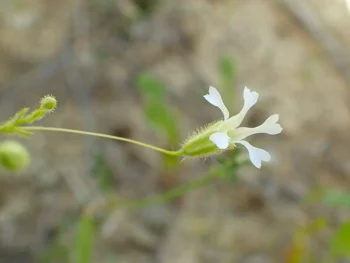
Turkish Baby’s-Breath: A Delicate Annual for Your Garden
If you’re looking for a plant that adds an airy, cloud-like texture to your garden without much fuss, Turkish baby’s-breath (Gypsophila pilosa) might catch your eye. This petite annual creates a hazy effect with its tiny white flowers and fine foliage, though as a non-native species, it comes with some considerations worth exploring.
What is Turkish Baby’s-Breath?
Turkish baby’s-breath is an annual forb – essentially a soft-stemmed herbaceous plant that completes its entire life cycle in one growing season. Originally from Europe and western Asia, this delicate plant has found its way into gardens across parts of the United States, where it now grows in Maryland, New York, and Oregon.
- Species observed
- No observations
You might also encounter this plant listed under its synonyms, including Gypsophila porrigens, though Turkish baby’s-breath remains its most common name.
Garden Appeal and Characteristics
What makes Turkish baby’s-breath appealing to some gardeners is its ethereal quality. The plant produces clusters of small, white flowers that create a misty appearance in the landscape. Its narrow, fine leaves add to this delicate texture, making it useful as:
- A filler plant in borders and mixed plantings
- Ground cover in rock gardens
- Textural contrast in naturalized areas
- Background plant to highlight bolder flowers
Growing Conditions and Care
Turkish baby’s-breath is surprisingly low-maintenance for such a delicate-looking plant. It thrives in USDA hardiness zones 3-9 and prefers:
- Soil: Well-drained, sandy soils (heavy clay soils are not its friend)
- Light: Full sun exposure
- Water: Drought-tolerant once established; avoid overwatering
- pH: Neutral to slightly alkaline soils
Planting and Propagation
Since Turkish baby’s-breath is an annual, you’ll need to replant it each year – or let it self-seed. Here’s how to get started:
- Direct sow seeds in spring after the last frost
- Scatter seeds lightly over prepared soil
- Barely cover seeds as they need light to germinate
- Keep soil slightly moist until germination
- Thin seedlings if they become overcrowded
The plant readily self-seeds, so you may find it returning on its own in favorable conditions.
Pollinator and Wildlife Benefits
Turkish baby’s-breath does provide some benefits to small pollinators, particularly flies and tiny bees that can navigate its delicate flower structure. However, as a non-native species, it doesn’t offer the same ecological value as plants that co-evolved with local wildlife.
Should You Plant Turkish Baby’s-Breath?
While Turkish baby’s-breath isn’t currently listed as invasive, its non-native status means it won’t provide the same ecological benefits as native alternatives. If you’re drawn to its airy texture and small white flowers, consider these native options instead:
- White wild bergamot (Monarda fistulosa var. albescens) – for similar white, clustered flowers
- Wild baby’s breath (Chamaesyce albomarginata) – for fine-textured ground cover
- Pearly everlasting (Anaphalis margaritacea) – for white, papery flowers and similar garden role
If you already have Turkish baby’s-breath in your garden or choose to plant it, simply be mindful of its self-seeding tendency and consider gradually transitioning to native alternatives that better support local ecosystems.
The Bottom Line
Turkish baby’s-breath offers gardeners an easy-care annual with delicate appeal, but native plants will always be the better choice for supporting local wildlife and maintaining ecological balance. Whether you’re working with existing plants or planning new additions, there’s no shortage of beautiful native alternatives that can provide similar aesthetic value with greater environmental benefits.