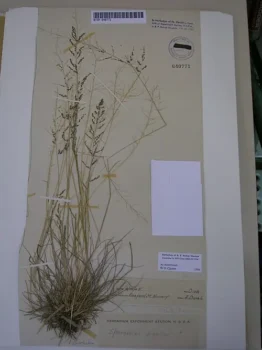
Tussock Dropseed: A Hardy Grass for Warm Climate Gardens
If you’re looking for a low-maintenance grass that can handle tough growing conditions, tussock dropseed (Sporobolus diandrus) might catch your attention. This perennial grass has made itself quite at home in warm climates, particularly in Hawaii and other Pacific islands, though it’s not originally from these areas.
What is Tussock Dropseed?
Tussock dropseed is a clumping perennial grass that belongs to the graminoid family – essentially the grass and grass-like plants group that includes true grasses, sedges, and rushes. You might also see it listed under its botanical synonyms Sporobolus diander or Sporobolus indicus var. flaccidus in some older references, but these all refer to the same hardy little grass.
Where Does It Grow?
Currently, you’ll find tussock dropseed established in Hawaii, Guam, and Palau. While it’s non-native to these locations, it has successfully naturalized and reproduces on its own in these Pacific island environments.
- Species observed
- No observations
Garden Appeal and Landscape Role
This grass forms attractive dense tufts with fine-textured foliage that adds a naturalistic touch to landscapes. Its delicate seed heads provide subtle visual interest, especially when they catch the light or sway in ocean breezes. Tussock dropseed works well as:
- Ground cover in challenging spots
- Erosion control on slopes
- Low-maintenance filler in xerophytic gardens
- Naturalistic plantings in coastal landscapes
Growing Conditions and Care
One of tussock dropseed’s biggest selling points is its easygoing nature. This grass thrives in USDA hardiness zones 9-11, making it suitable for consistently warm climates. Here’s what it prefers:
- Sunlight: Full sun exposure
- Soil: Well-draining soils (it’s quite adaptable to different soil types)
- Water: Drought tolerant once established
- Maintenance: Minimal care required
Wetland Considerations
Interestingly, tussock dropseed’s relationship with water varies by region. In most areas like the Arid West, Atlantic and Gulf Coastal Plain, and Great Plains, it’s classified as an Obligate Upland species, meaning it almost never occurs in wetlands. However, in Hawaii, it’s considered Facultative Upland, which means it usually grows in non-wetland areas but can occasionally pop up in wetland edges.
Wildlife and Pollinator Value
As a wind-pollinated grass, tussock dropseed doesn’t offer much direct benefit to pollinators like bees and butterflies. However, grasses do provide habitat structure and may offer nesting materials for some wildlife species.
Should You Plant It?
Here’s the balanced scoop: tussock dropseed is a reliable, low-maintenance option for warm climate gardens, especially if you’re dealing with challenging growing conditions. However, since it’s not native to North American ecosystems, you might want to consider native grass alternatives that could provide similar benefits while supporting local wildlife.
If you’re in Hawaii or other Pacific locations where it’s already established, and you need a tough, drought-tolerant grass for difficult sites, tussock dropseed can certainly do the job. Just keep in mind that it can self-seed, so you’ll want to monitor its spread if that’s a concern in your particular landscape.
The Bottom Line
Tussock dropseed is like that reliable friend who’s always there when you need them – not flashy, but dependable. It won’t wow you with showy flowers, but it’ll quietly do its job of covering ground and staying green with minimal fuss. Whether it’s right for your garden depends on your specific needs, location, and preference for native versus non-native plants.