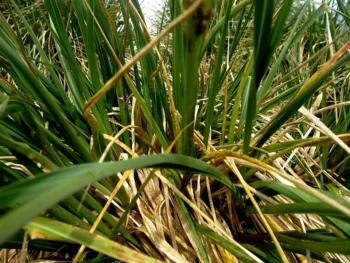
Tussock Grass: A Unique Sub-Antarctic Beauty for Specialized Gardens
If you’re looking for something truly different in your garden, tussock grass (Poa flabellata) might catch your eye. This distinctive grass species brings a touch of the remote Sub-Antarctic to your landscape – though it’s definitely not your average lawn grass!
What Makes Tussock Grass Special?
Poa flabellata is a fascinating grass that forms dense, fan-like tussocks with fine-textured foliage. The name flabellata actually means fan-shaped, which perfectly describes how this grass grows. Unlike many ornamental grasses, this one has adapted to some of the harshest climates on Earth, giving it a unique resilience and character.
Where Does It Come From?
This remarkable grass calls the Sub-Antarctic islands home, particularly the Falkland Islands and South Georgia. These remote locations experience cool temperatures year-round, constant moisture, and fierce winds – conditions that have shaped this grass into the hardy survivor it is today.
Should You Plant Tussock Grass in Your Garden?
Here’s where things get interesting (and a bit challenging). While Poa flabellata is undeniably unique and beautiful, it’s not suited for most North American gardens. This grass has very specific needs that mirror its native Sub-Antarctic environment:
- Consistently cool temperatures
- High humidity and moisture
- Protection from hot, dry conditions
- Well-draining but consistently moist soil
If you live in USDA hardiness zones 6-8 and can provide specialized microclimates, you might be able to grow this unique grass successfully. However, for most gardeners, native alternatives will be much more practical and environmentally beneficial.
Growing Conditions and Care
If you’re determined to try growing tussock grass, here’s what you’ll need to know:
Light Requirements: Full sun to partial shade, but protection from intense afternoon sun in warmer climates
Soil Needs: Well-draining soil that stays consistently moist. Think of the conditions on a cool, misty hillside rather than a hot, dry prairie.
Water Requirements: High moisture needs – this isn’t a drought-tolerant plant despite being a grass
Temperature Tolerance: Prefers cool conditions year-round and may struggle in hot summers
Maintenance Tips
- Divide clumps every few years to maintain vigor
- Provide consistent moisture without waterlogging
- Protect from hot, drying winds
- Consider growing in containers that can be moved to optimal locations
Wildlife and Pollinator Benefits
As a grass species, Poa flabellata is wind-pollinated and doesn’t provide significant nectar resources for pollinators. However, it can offer habitat and nesting materials for some wildlife species, particularly in specialized garden settings.
The Bottom Line
Tussock grass is truly a conversation starter – a plant with an incredible story and unique appearance. However, its very specialized growing requirements mean it’s not practical for most gardens. If you’re fascinated by this Sub-Antarctic survivor, consider visiting botanical gardens that specialize in alpine or cold-climate plants to see it in person.
For most gardeners interested in ornamental grasses, exploring native alternatives that are adapted to your local climate will give you better results and support local ecosystems. Your local native plant society can recommend beautiful grass species that will thrive in your specific region while providing benefits to local wildlife.
Sometimes the most interesting plants are the ones that remind us just how diverse and specialized the plant kingdom can be – even if they’re better admired than grown!