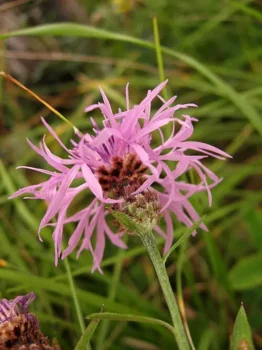
Tyrol Knapweed: A Beautiful but Problematic Perennial You Should Skip
If you’ve stumbled across Tyrol knapweed (Centaurea nigrescens) in your gardening research, you might be drawn to its cheerful purple-pink blooms and hardy perennial nature. But before you add this European native to your shopping cart, there’s something important you need to know: this pretty wildflower has a not-so-pretty habit of taking over wherever it lands.
What is Tyrol Knapweed?
Tyrol knapweed is a perennial forb – that’s garden-speak for a non-woody plant that comes back year after year. Originally from the mountainous regions of Central and Southern Europe, this member of the sunflower family has made itself quite at home across North America, perhaps a little too much at home for comfort.
You might also see this plant listed under several scientific synonyms, including Centaurea vochinensis or Centaurea pratensis, but they all refer to the same troublesome species.
Where You’ll Find It Growing
Tyrol knapweed has spread far and wide since its introduction to North America. You can now find it growing wild across much of Canada and the United States, including British Columbia, Ontario, Quebec, and Nova Scotia in Canada, and in states from coast to coast – from California and Washington in the west to Maine and Virginia in the east, and many places in between including Wisconsin, Montana, Illinois, and Pennsylvania.
- Species observed
- No observations
The Problem with This Pretty Face
Here’s where things get concerning: Tyrol knapweed isn’t just a harmless garden escape. In Wisconsin, it’s classified as a Restricted invasive species, meaning it’s recognized as a significant threat to native ecosystems. This designation exists because once established, knapweeds can quickly dominate an area, crowding out native wildflowers and disrupting local food webs.
The plant is incredibly adaptable, thriving in full sun and various soil types while showing impressive drought tolerance once established. These survival skills that make it seem like a dream garden plant are exactly what make it such an effective invader in natural areas.
Why Skip the Tyrol Knapweed
While Tyrol knapweed does offer some benefits – its flowers do attract bees and butterflies during its summer to early fall blooming period – the environmental risks far outweigh these positives. As a responsible gardener, choosing this plant would be like inviting a guest who refuses to leave and makes life difficult for everyone else at the party.
Better Alternatives for Your Garden
The good news? You don’t have to sacrifice beauty to be environmentally responsible. Instead of Tyrol knapweed, consider these native alternatives that offer similar purple blooms and pollinator appeal:
- Wild Bergamot (Monarda fistulosa) – Purple-pink flowers that bees absolutely love
- New England Aster (Symphyotrichum novae-angliae) – Fall-blooming purple flowers that support native butterflies
- Purple Coneflower (Echinacea purpurea) – Gorgeous purple petals with excellent drought tolerance
- Wild Lupine (Lupinus perennis) – Stunning purple flower spikes that support endangered butterflies
If You Already Have It
Found Tyrol knapweed already growing in your yard? The responsible thing to do is remove it before it spreads further. Since it’s a perennial that can spread both by seed and underground rhizomes, you’ll want to dig up the entire root system and dispose of plant material in your regular trash, not your compost pile.
The Bottom Line
While Tyrol knapweed might catch your eye with its attractive purple blooms and easy-care nature, it’s one of those plants that’s simply too good at what it does. In the gardening world, sometimes the most beautiful troublemakers are the ones we need to politely decline. Your local native plants (and ecosystems) will thank you for choosing alternatives that play well with others.
Remember, the best garden plants are those that enhance not just your landscape, but the broader web of life in your region. With so many stunning native options available, you really don’t need to take a chance on this European escape artist.