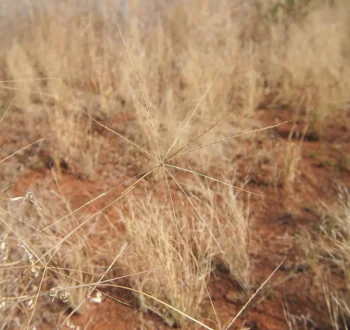
Umbrella Grass: The Mysterious Native Grass Worth Knowing About
Ever stumbled across a plant name that sounds intriguing but leaves you scratching your head? Meet umbrella grass (Enteropogon acicularis), a grass species that’s more enigma than open book in the gardening world. While this grass-like plant might not be filling up your local nursery shelves, it’s worth understanding what makes it tick – or at least what little we know about it!
What Exactly Is Umbrella Grass?
Umbrella grass belongs to the grass family, technically making it what botanists call a graminoid – basically a fancy way of saying it’s a grass or grass-like plant. You might also see it listed under its old scientific name, Chloris acicularis, if you’re digging through older plant references.
The umbrella part of its common name likely refers to some aspect of its growth pattern or seed head arrangement, though detailed descriptions of its appearance are surprisingly scarce in mainstream gardening literature.
The Geographic Mystery
Here’s where things get interesting – and by interesting, I mean frustratingly vague. The exact native range and distribution of umbrella grass isn’t well-documented in readily available sources. This could mean it’s either quite rare, regionally specific, or simply hasn’t received much attention from the gardening and botanical communities.
Should You Grow Umbrella Grass?
This is where I have to be completely honest with you: growing umbrella grass successfully might be more challenging than your typical native plant adventure, and here’s why:
- Limited availability through commercial sources
- Scarce information about specific growing requirements
- Unclear hardiness zones and climate preferences
- Unknown maintenance needs and growth habits
What We Do Know
As a member of the grass family, umbrella grass likely shares some basic characteristics with other native grasses:
- Probably prefers full sun to partial shade
- May have seasonal growth patterns typical of grasses
- Could provide some wildlife value, as most native grasses do
- Might work well in naturalized or prairie-style plantings
Alternative Native Grass Options
If you’re drawn to the idea of incorporating native grasses into your landscape but umbrella grass proves elusive, consider these well-documented alternatives that offer similar benefits:
- Little bluestem for prairie gardens
- Buffalo grass for drought-tolerant lawns
- Blue grama for xeriscaping
- Purple lovegrass for erosion control
The Bottom Line
Umbrella grass represents one of those intriguing plants that reminds us how much we still don’t know about our native flora. While it might not be the easiest plant to source or grow, its very mystery makes it worth keeping on your radar.
If you do encounter this grass in the wild or through specialized native plant sources, approach it with the respect due to any uncommon species. Take notes, photographs, and consider yourself lucky to witness something that hasn’t made it into every gardening book and blog post!
Sometimes the most interesting plants are the ones that keep a few secrets. Umbrella grass is definitely one of those plants – intriguing, elusive, and reminding us that there’s always more to discover in the world of native gardening.