Umbrella Milkwort (Tolpis): A Mediterranean Visitor in Your Garden
If you’ve stumbled across the name umbrella milkwort while researching plants, you might be dealing with a bit of botanical confusion. The plant known as Tolpis is actually a member of the sunflower family, not the milkwort family, and is more accurately called umbrella hawksbeard. But don’t let the naming mix-up discourage you – this little Mediterranean native has some interesting qualities worth exploring.
What is Tolpis?
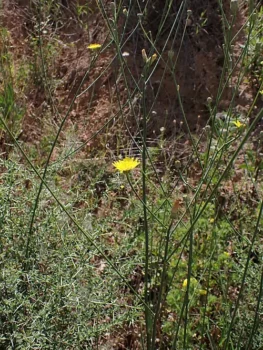
Tolpis is an annual forb that produces small, cheerful yellow flowers reminiscent of tiny daisies. As a non-native species that has made its way to California, it’s one of those plants that quietly establishes itself without much fanfare. Unlike woody shrubs or trees, this herbaceous plant completes its entire life cycle in a single growing season, making it a relatively low-commitment addition to any garden space.
Where You’ll Find It
Currently, Tolpis has established populations in California, where it grows and reproduces without human intervention. This Mediterranean transplant has found the Golden State’s climate to its liking, particularly in areas that mimic its native habitat.
- Species observed
- No observations
Garden Appeal and Design Role
While Tolpis won’t win any awards for showstopping blooms, it offers a subtle charm that works well in naturalized areas and Mediterranean-style gardens. The small yellow flowers can provide a delicate carpet of color, and its low-growing, spreading habit makes it useful as informal ground cover in dry landscapes.
Consider using Tolpis in:
- Rock gardens with good drainage
- Mediterranean-themed landscapes
- Areas where you want low-maintenance annual color
- Transitional zones between cultivated and wild spaces
Growing Conditions and Care
Like many Mediterranean natives, Tolpis appreciates well-draining soil and plenty of sunshine. It’s adapted to survive with minimal water once established, making it a good choice for gardeners in drought-prone areas or those practicing water-wise gardening.
Ideal growing conditions:
- Full sun exposure
- Well-draining, sandy or loamy soil
- USDA hardiness zones 9-11
- Minimal supplemental watering after establishment
Wildlife and Pollinator Benefits
While specific wildlife benefits for Tolpis aren’t well-documented, most plants in the sunflower family provide some value to small pollinators and beneficial insects. The small flowers likely attract tiny bees, beneficial wasps, and other minor pollinators, though it’s not considered a major pollinator magnet.
Should You Plant It?
Here’s where things get a bit nuanced. Tolpis isn’t native to North America, but it also doesn’t appear on invasive species lists. For gardeners interested in this plant, it represents a middle-ground option – not aggressively problematic, but not contributing to local ecosystem support either.
If you’re drawn to the idea of small, yellow, daisy-like flowers and Mediterranean garden aesthetics, you might consider these native alternatives instead:
- California goldfields (Lasthenia californica)
- Desert marigold (Baileya multiradiata) for southwestern regions
- Various native asters and sunflowers
The Bottom Line
Tolpis is one of those plants that exists in the gardening gray zone – not native, but not necessarily harmful either. If you already have it growing in your garden, there’s no urgent need to remove it. If you’re planning new plantings, though, consider giving native alternatives a chance first. They’ll provide similar aesthetic benefits while supporting local wildlife and contributing to regional biodiversity.
Remember, every garden choice is an opportunity to support local ecosystems, and native plants almost always offer the biggest bang for your ecological buck.