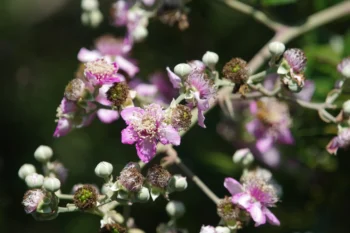
Unarmed Elmleaf Blackberry: A Lesser-Known Garden Consideration
If you’ve stumbled across the name unarmed elmleaf blackberry in your gardening research, you might be wondering what exactly this plant brings to the table. The botanical name Rubus ulmifolius var. anoplothyrsus might sound like a mouthful, but this perennial subshrub has quietly established itself in parts of the western United States.
What Is Unarmed Elmleaf Blackberry?
The unarmed elmleaf blackberry is a non-native perennial that belongs to the diverse Rubus family – yes, the same family that gives us raspberries and blackberries! What makes this variety particularly interesting is right there in its name: it’s unarmed, meaning it lacks the thorns that typically make blackberry picking such a prickly adventure.
As a subshrub, this plant stays relatively compact, typically growing under 1.5 feet tall and never exceeding 3 feet at maturity. Think of it as the more manageable cousin in a family known for aggressive spreading habits.
Where You’ll Find It Growing
This introduced species has made itself at home in three western states: California, Nevada, and Oregon. It reproduces on its own in the wild and has shown it can persist without human intervention once established.
- Species observed
- No observations
The Garden Reality Check
Here’s where things get a bit tricky for the eager gardener. While the unarmed elmleaf blackberry might sound appealing – especially that no thorns feature – there’s surprisingly little specific information available about its cultivation needs, wildlife benefits, or garden performance. This lack of documentation makes it challenging to provide solid growing advice.
Should You Plant It?
Given its non-native status and the limited information about its ecological impact or garden value, you might want to pause before adding this plant to your landscape. While it’s not currently listed as invasive or noxious, the uncertainty around its behavior and benefits makes it a questionable choice for most gardens.
Better Alternatives to Consider
If you’re drawn to the idea of thornless berry plants or low-growing shrubs, consider these native alternatives that offer proven benefits:
- Native elderberries (Sambucus species) for wildlife value
- Native currants and gooseberries (Ribes species) for pollinators
- Regional native shrubs that provide similar growth habits with documented ecological benefits
The Bottom Line
While the unarmed elmleaf blackberry might seem intriguing, especially to gardeners tired of dealing with thorny berry bushes, the lack of specific cultivation information and uncertain ecological role make it difficult to recommend. Your garden space is valuable real estate – why not fill it with native plants that come with a track record of supporting local wildlife and adapting well to regional conditions?
If you’re determined to explore this plant further, consult with local extension services or botanical experts who might have regional experience with this particular variety. They can provide insights specific to your area and help you make an informed decision about whether it deserves a spot in your landscape.