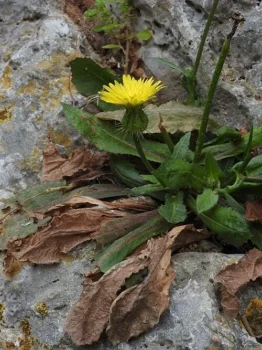
Urospermum: A Mediterranean Annual for Sunny Gardens
Looking for a cheerful, low-maintenance annual that can handle tough conditions? Urospermum might just be the sunny addition your garden needs. This unassuming little plant brings bright yellow blooms and easy-care charm to Mediterranean-style landscapes, though it comes with some important considerations for conscientious gardeners.
What is Urospermum?
Urospermum is an annual forb that produces delicate, daisy-like yellow flowers above rosettes of lobed leaves. As a member of the sunflower family, it shares that familiar cheerful appearance that brightens up any garden space. The plant typically grows as a low-spreading annual, making it useful as a ground cover or filler plant in naturalized areas.
Native Status and Distribution
Here’s where things get interesting: Urospermum isn’t actually native to North America. This Mediterranean native has made itself at home in California, where it reproduces spontaneously and persists in the wild without human intervention. While it’s established itself successfully, it’s important to understand that you’re working with a non-native species.
Currently, Urospermum is found growing in California, where the Mediterranean climate closely mimics its native habitat.
- Species observed
- No observations
Garden Appeal and Landscape Role
What makes Urospermum appealing to gardeners? Several things actually:
- Bright yellow, daisy-like flowers that bloom prolifically
- Low-growing habit perfect for filling gaps
- Drought tolerance once established
- Self-seeding nature means less work for you
- Attracts beneficial pollinators like bees
In landscape design, Urospermum works well as a naturalized ground cover, in wildflower meadows, or as part of a Mediterranean-style garden. Its informal growth habit makes it ideal for casual, low-maintenance landscapes rather than formal garden beds.
Growing Conditions and Care
Urospermum thrives in conditions similar to its Mediterranean homeland. Here’s what it needs to flourish:
- Sunlight: Full sun exposure
- Soil: Well-draining soil; tolerates poor, rocky conditions
- Water: Minimal watering once established; drought tolerant
- Climate: USDA zones 9-11 (Mediterranean climates)
The beauty of Urospermum lies in its low-maintenance nature. Once you scatter the seeds in fall or early spring, the plants pretty much take care of themselves. They’ll self-seed readily, creating naturalized colonies over time.
Should You Plant Urospermum?
This is where thoughtful gardening comes into play. While Urospermum isn’t currently listed as invasive, its non-native status means you might want to consider native alternatives first. California has plenty of beautiful native annuals that provide similar benefits while supporting local ecosystems.
If you do choose to grow Urospermum, consider containing it to specific areas and monitoring its spread. As with any self-seeding plant, it can pop up in unexpected places.
Native Alternatives to Consider
Before settling on Urospermum, consider these native California options:
- California poppies (Eschscholzia californica) for bright orange blooms
- Goldfields (Lasthenia californica) for similar yellow daisy flowers
- Baby blue eyes (Nemophila menziesii) for delicate blue flowers
- Desert marigold (Baileya multiradiata) for long-lasting yellow blooms
The Bottom Line
Urospermum offers easy-care charm and bright blooms for Mediterranean-climate gardens. While it’s not native, it’s also not currently problematic from an invasive species standpoint. If you choose to grow it, do so mindfully, and consider pairing it with native plants to create a more ecologically beneficial garden. Sometimes the most responsible gardening approach is finding the right balance between what we want to grow and what’s best for our local environment.