Uruguayan Fountaingrass: A South American Beauty for Your Garden
If you’re looking to add some graceful movement and texture to your landscape, Uruguayan fountaingrass (Pennisetum latifolium) might just catch your eye. This perennial ornamental grass brings a touch of South American elegance to gardens across the southern United States, though it comes with some considerations worth exploring.
What Is Uruguayan Fountaingrass?
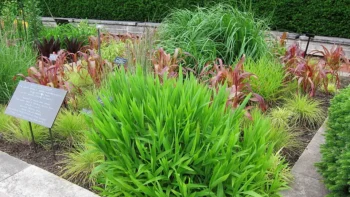
Uruguayan fountaingrass is a non-native perennial grass that originally calls Uruguay and southern South America home. As its name suggests, this grass creates fountain-like clumps of arching foliage topped with feathery, plume-like seed heads that dance beautifully in the breeze. It belongs to the large family of grasses and grass-like plants, bringing that quintessential ornamental grass charm to any setting.
Where Does It Grow?
Currently, you’ll find Uruguayan fountaingrass established in California, Louisiana, and Oklahoma. As an introduced species, it has managed to naturalize in these areas, reproducing on its own without human intervention. This adaptability speaks to its hardy nature, but also means gardeners should be mindful of its potential to spread.
- Species observed
- No observations
Garden Appeal and Landscape Role
What makes Uruguayan fountaingrass appealing to gardeners? Here are its standout features:
- Graceful, arching foliage that adds movement to static landscapes
- Attractive feathery seed heads that provide visual interest
- Low-maintenance once established
- Drought tolerance after the first growing season
- Works well as an accent plant or in naturalized areas
This grass shines in ornamental gardens, naturalized landscapes, and low-maintenance garden designs. It’s particularly effective when used as a border plant or scattered throughout a garden for textural contrast.
Growing Conditions and Care
Uruguayan fountaingrass thrives in USDA hardiness zones 8-11, making it suitable for warmer climates. Here’s what it needs to flourish:
- Sunlight: Full sun for best growth and flowering
- Soil: Well-draining soil (it’s not picky about soil type)
- Water: Regular watering during establishment, then drought tolerant
- Spacing: Plant clumps 2-3 feet apart to allow for mature size
Planting and Maintenance Tips
Getting started with Uruguayan fountaingrass is refreshingly straightforward:
- Plant in spring after the last frost
- Water regularly during the first growing season to establish roots
- Cut back the entire plant in late winter before new growth begins
- Minimal fertilization needed – this grass isn’t demanding
- Watch for self-seeding and manage spread as needed
Wildlife and Pollinator Considerations
Like most grasses, Uruguayan fountaingrass is primarily wind-pollinated, so it offers limited benefits to bees and butterflies. Its wildlife value is also somewhat limited compared to native alternatives.
Should You Plant It?
While Uruguayan fountaingrass can be a lovely addition to the right garden, it’s worth considering native grass alternatives that provide similar aesthetic appeal while supporting local ecosystems. Native options often offer better wildlife habitat and are naturally adapted to local growing conditions.
If you do choose to grow Uruguayan fountaingrass, be a responsible gardener by monitoring its spread and preventing it from escaping into natural areas. Regular maintenance and deadheading can help prevent unwanted self-seeding.
Remember, the best garden is one that balances beauty with environmental responsibility – and there are plenty of stunning native grasses that can give you that fountain-like elegance while supporting your local ecosystem!