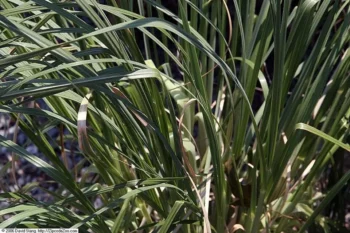
Uruguayan Pampas Grass: A Beautiful But Problematic Ornamental
With its towering feathery plumes swaying in the breeze, Uruguayan pampas grass (Cortaderia selloana) certainly knows how to make a statement in the landscape. This dramatic perennial grass can create an impressive focal point with its architectural form and showy display. However, before you fall head over heels for those gorgeous plumes, there’s something important you need to know about this South American native.
What Is Uruguayan Pampas Grass?
Cortaderia selloana, commonly known as Uruguayan pampas grass, is a large perennial grass native to South America, particularly Argentina, Brazil, Chile, and Uruguay. This imposing plant can reach heights of 6-10 feet, forming dense clumps with long, narrow leaves and producing those signature fluffy, cream-colored plumes that gardeners often admire.
You might also see this plant referred to by its botanical synonym, Cortaderia dioica, though Cortaderia selloana is the accepted name.
Where Does It Grow?
As a non-native species, Uruguayan pampas grass has established itself across multiple states in the U.S., including Alabama, California, Georgia, Louisiana, New Jersey, Oregon, South Carolina, Tennessee, Texas, Utah, Virginia, and Washington. Unfortunately, it reproduces spontaneously in the wild without human help and tends to persist wherever it takes hold.
- Species observed
- No observations
The Invasive Reality
Here’s where things get complicated. While Uruguayan pampas grass might look stunning in photos, it’s classified as an invasive species in many regions, including Alabama where it holds a Category 2 invasive status. This means it has the potential to cause significant ecological and economic harm.
Why is this a problem? This aggressive grass spreads rapidly, crowding out native plants and disrupting local ecosystems. Once established, it’s incredibly difficult to remove, and its seeds can travel long distances on the wind, allowing it to colonize new areas quickly.
Should You Plant It?
Given its invasive nature and potential for ecological damage, we strongly recommend against planting Uruguayan pampas grass. While it might seem like an easy, low-maintenance option for your landscape, the long-term consequences simply aren’t worth the short-term beauty.
Native Alternatives to Consider
Fortunately, there are several fantastic native grass alternatives that can provide similar dramatic effect without the ecological concerns:
- Big bluestem (Andropogon gerardii) – A tall prairie grass with attractive seed heads
- Indian grass (Sorghastrum nutans) – Features golden fall color and graceful plumes
- Switch grass (Panicum virgatum) – Offers airy texture and excellent wildlife value
- Little bluestem (Schizachyrium scoparium) – Compact with beautiful fall color
Growing Conditions and Hardiness
For informational purposes, Uruguayan pampas grass thrives in USDA hardiness zones 7-10. It’s remarkably adaptable, growing in full sun and tolerating various soil types. The plant has a facultative upland wetland status across most regions, meaning it usually occurs in non-wetlands but may occasionally appear in wetland areas.
This adaptability is actually part of what makes it such a successful invader – it can establish itself in a wide range of conditions and outcompete native species.
Wildlife and Pollinator Value
As a wind-pollinated grass, Uruguayan pampas grass offers minimal benefits to pollinators like bees and butterflies. Native alternatives, on the other hand, often provide seeds for birds and habitat for beneficial insects, making them far more valuable for supporting local wildlife.
The Bottom Line
While Uruguayan pampas grass might catch your eye with its impressive size and showy plumes, its invasive nature makes it a poor choice for responsible gardeners. Instead, consider native grass alternatives that can provide similar aesthetic appeal while supporting your local ecosystem. Your garden – and your local environment – will thank you for making the more sustainable choice.
Remember, every plant we choose for our gardens is a vote for the kind of landscape we want to see in the future. Let’s make sure that vote counts for biodiversity, sustainability, and ecological health.