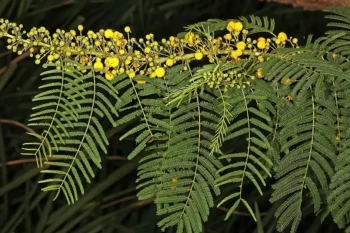
Vachellia davyi: A Lesser-Known Gem from South Africa
If you’re on the hunt for drought-tolerant plants that can add some exotic flair to your garden, you might have stumbled across Vachellia davyi. While this South African native isn’t exactly a household name in the gardening world, it’s worth getting to know – especially if you’re dealing with challenging growing conditions or want to create a water-wise landscape.
What’s in a Name?
Vachellia davyi goes by its botanical name since it doesn’t have widely recognized common names in the gardening trade. You might also see it listed under its former scientific name, Acacia davyi, as plant classifications have been reshuffled in recent years. Don’t let the lack of a catchy common name fool you – this plant has plenty to offer the right gardener.
Where Does It Come From?
This thorny beauty hails from South Africa, where it has adapted to challenging conditions including periodic drought and intense sun. Like many plants from this region, it brings a tough-as-nails attitude to whatever garden it calls home.
What Does It Look Like?
As a member of the Vachellia genus (formerly lumped in with Acacias), you can expect this plant to have the characteristic thorny branches and likely small, feathery compound leaves that many gardeners find appealing. The exact details of its appearance aren’t well-documented in popular gardening literature, which adds a bit of mystery to this plant – perfect for gardeners who like to experiment with the unusual.
Garden Design Ideas
Vachellia davyi could work well in several garden settings:
- Xerophytic or drought-tolerant garden designs
- Mediterranean-style landscapes
- As a specimen plant for adding structural interest
- Barrier plantings where you want to discourage foot traffic (thanks to those thorns!)
- Collections of South African or exotic plants
Growing Conditions and Care
While specific growing requirements for Vachellia davyi aren’t extensively documented, we can make educated guesses based on its South African origins and genus characteristics:
- Sunlight: Full sun is likely preferred
- Soil: Well-draining soil is essential – this plant probably won’t tolerate soggy conditions
- Water: Drought-tolerant once established, but may need regular water when young
- Climate: Likely suited for USDA zones 9-11, with protection from hard freezes
Planting and Care Tips
Since detailed care information is scarce, here are some general guidelines based on the plant’s origins:
- Plant in spring after the last frost date in your area
- Choose a sunny location with excellent drainage
- Water regularly the first year to establish roots, then reduce watering
- Mulch around the base to conserve moisture and suppress weeds
- Protect young plants from frost in marginal climates
Wildlife and Pollinator Benefits
Like many members of its family, Vachellia davyi may provide nectar and pollen for various pollinators, though specific wildlife relationships aren’t well-documented. The thorny structure could provide nesting sites for small birds seeking protection.
Is This Plant Right for You?
Vachellia davyi might be perfect if you’re looking for:
- Something unique and conversation-starting
- A drought-tolerant option for challenging sites
- Plants that can handle neglect once established
- Additions to a collection of South African plants
However, you might want to pass if you need:
- Detailed, proven care instructions
- A plant that’s readily available at local nurseries
- Something safe for high-traffic areas (those thorns aren’t kidding around)
- Plants suitable for wetter climates or clay soils
The Bottom Line
Vachellia davyi represents one of those intriguing plants that appeals to adventurous gardeners willing to experiment with lesser-known species. While we don’t have all the detailed growing information we might like, its South African heritage suggests it could be a valuable addition to drought-tolerant gardens in suitable climates. Just remember that with any uncommon plant, you’re partly signing up to be a guinea pig – and that can be half the fun!
If you do decide to give this plant a try, consider connecting with other gardeners online or joining plant societies focused on South African flora. Sharing experiences and observations helps build the knowledge base for plants like Vachellia davyi that deserve more recognition in the gardening world.