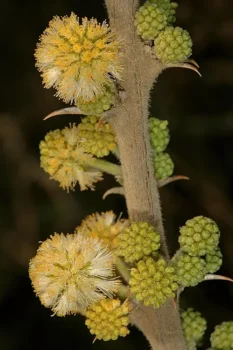
Vachellia hebeclada: An Enigmatic Member of the Acacia Family
If you’ve stumbled across the name Vachellia hebeclada in your plant research, you’ve discovered one of botany’s more mysterious characters. This member of the legume family (Fabaceae) is like that quiet person at a party – intriguing, but not giving away many secrets.
What We Know About Vachellia hebeclada
Vachellia hebeclada was previously classified under the genus Acacia, where it was known as Acacia hebeclada DC. This reclassification reflects ongoing botanical research that has split the traditional Acacia genus into several distinct groups based on genetic and morphological studies.
As a member of the Vachellia genus, this plant is related to other thorny acacias that are typically found in arid and semi-arid regions. However, specific details about its native range, appearance, and growing habits remain largely undocumented in readily available sources.
The Information Gap Challenge
Here’s where things get interesting (and a bit frustrating for curious gardeners): reliable information about Vachellia hebeclada is remarkably scarce. We don’t currently have well-documented details about:
- Its native geographic distribution
- Physical appearance and mature size
- Preferred growing conditions
- USDA hardiness zones
- Wildlife and pollinator benefits
- Cultivation requirements
Should You Plant Vachellia hebeclada?
Given the lack of available information, planting Vachellia hebeclada presents several challenges for the home gardener. Without knowing its native range, growing requirements, or potential invasive characteristics, it’s difficult to make an informed decision about whether this plant would thrive in your garden or potentially cause ecological concerns.
If you’re considering this plant, here are some important considerations:
- Ensure any plant material is obtained from reputable, legal sources
- Verify the plant’s identity through expert confirmation
- Research local regulations regarding non-native plant species
- Consider well-documented native alternatives from the Fabaceae family
Better-Known Alternatives
If you’re drawn to the idea of growing plants from the Vachellia/Acacia group, consider researching well-documented species that are appropriate for your region. Many native legumes offer similar characteristics with the added benefit of supporting local ecosystems and having established care guidelines.
The Takeaway
Vachellia hebeclada remains something of a botanical mystery. While this adds to its intrigue, it also makes it a challenging choice for most gardeners. If you encounter this plant or are offered it for your garden, proceed with caution and plenty of research. Sometimes the most responsible approach is to admire a plant’s mystery from afar while choosing better-understood species for our home landscapes.
Have you encountered Vachellia hebeclada in your gardening adventures? We’d love to hear about your experiences with this enigmatic species in the comments below.