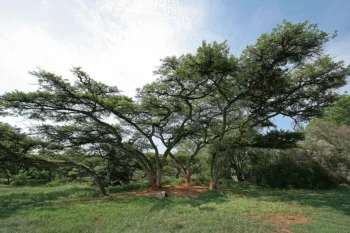
Vachellia sieberiana: The Elegant African Paperpod Tree for Warm Climate Gardens
If you’re looking for a stately shade tree with an exotic flair and live in a warm climate, Vachellia sieberiana might just catch your eye. This African native, also known by its former scientific name Acacia sieberiana, brings a touch of the savanna to suitable landscapes with its distinctive umbrella-shaped canopy and delicate, feathery foliage.
What Makes This Tree Special?
Vachellia sieberiana is a medium to large deciduous tree that can reach impressive heights of 40-60 feet with a wide, spreading crown. What really sets it apart is its graceful form – imagine a classic African acacia silhouette with its flat-topped, umbrella-like canopy that provides excellent shade. The compound leaves are finely divided, giving the tree a soft, feathery appearance that dances beautifully in the breeze.
During blooming season, this tree puts on quite a show with clusters of small, cream-colored, ball-shaped flowers that are both fragrant and attractive to pollinators like bees. These are followed by distinctive papery pods that give the tree additional ornamental interest.
Where Does It Come From?
This tree hails from the savannas and woodlands of eastern and southern Africa, where it’s perfectly adapted to hot, dry conditions and seasonal rainfall patterns. It’s not native to North America, so if you’re committed to native-only gardening, you’ll want to consider alternatives like native oaks or other indigenous shade trees suited to your region.
Is This Tree Right for Your Garden?
Vachellia sieberiana isn’t for everyone or every garden. Here’s what you need to know:
- Climate requirements: USDA zones 9b-11 only – this tree is quite frost-sensitive
- Space needs: Requires plenty of room to spread (30-40 foot spread)
- Best suited for: Large residential properties, parks, botanical gardens, or commercial landscapes
- Soil preferences: Well-draining soil is essential – it won’t tolerate waterlogged conditions
Growing Conditions and Care
If you live in a suitable climate zone and have the space, this tree is relatively low-maintenance once established:
- Sun exposure: Full sun for best growth and form
- Water needs: Drought tolerant once mature, but young trees need regular watering
- Soil type: Adaptable to various soil types as long as drainage is good
- Growth rate: Moderate to fast-growing in ideal conditions
Planting and Care Tips
Young Vachellia sieberiana trees need some extra TLC to get established. Plant in spring after any chance of frost has passed, and provide protection from cold winds during the first few years. Regular watering during the establishment period (first 2-3 years) is crucial, but once the root system is well-developed, this tree becomes quite drought tolerant.
Pruning is typically minimal – just remove any dead, damaged, or crossing branches during the dormant season. The natural form of the tree is part of its appeal, so avoid heavy pruning that might destroy its characteristic silhouette.
Wildlife and Pollinator Benefits
The fragrant flower clusters are excellent for supporting local bee populations and other pollinators during blooming season. While this tree won’t provide the same level of native wildlife support as indigenous species, it does offer nesting sites and shelter for various birds.
The Bottom Line
Vachellia sieberiana can be a stunning addition to the right landscape – one with plenty of space, warm temperatures year-round, and a gardener who appreciates its exotic beauty. However, if you’re in a cooler climate or prefer supporting native ecosystems, consider native shade trees like live oaks, bald cypress, or other regionally appropriate species that will provide similar benefits while supporting local wildlife.
Remember, the best tree for your garden is one that thrives in your specific conditions and aligns with your gardening goals – whether that’s creating habitat for native species or simply enjoying the beauty of well-adapted plants from around the world.