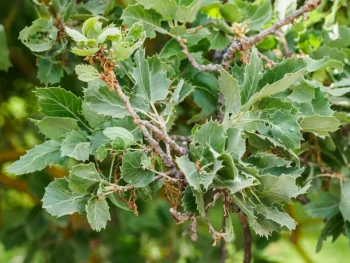
Vallonea Oak: A Mediterranean Giant for Spacious Gardens
If you’ve ever dreamed of having a truly majestic oak tree gracing your landscape, the Vallonea oak (Quercus macrolepis) might just capture your imagination. Also known as the Valonia oak, this impressive Mediterranean native brings Old World charm to gardens with enough space to accommodate its grandeur.
Meet the Vallonea Oak
The Vallonea oak is a deciduous tree that hails from the sun-drenched Mediterranean region, particularly thriving in Greece, Turkey, and surrounding areas. What sets this oak apart from its cousins is its distinctive appearance – think deeply lobed leaves and absolutely massive acorns adorned with prominent, scaly cups that look almost architectural in their design.
Why Consider (or Skip) This Mediterranean Beauty
Let’s be honest – the Vallonea oak isn’t for everyone. Here’s what you need to know before falling head-over-heels for this tree:
The Good Stuff
- Absolutely stunning specimen tree that becomes a landscape focal point
- Drought tolerant once established (perfect for water-wise gardening)
- Supports wildlife with its acorns and provides habitat for various insects
- Long-lived and low-maintenance once mature
- Thrives in USDA zones 7-9
The Reality Check
- Needs serious space – this isn’t a tree for small yards
- Slow to establish and reach maturity
- Not native to North America, so it won’t support native wildlife as effectively as indigenous oaks
- May struggle in areas with high humidity or poor drainage
Growing Your Vallonea Oak Successfully
If you’ve got the space and the patience, here’s how to give your Vallonea oak the best start:
Location, Location, Location
Choose a spot with full sun and excellent drainage. This tree absolutely despises wet feet, so avoid low-lying areas or spots where water tends to collect. Give it plenty of room to spread – we’re talking at least 40-50 feet from structures and other large trees.
Planting and Early Care
Plant in fall or early spring when the weather is mild. Dig a hole only as deep as the root ball but twice as wide. Once planted, water regularly the first year to help establish the root system, then gradually reduce watering as the tree adapts.
Ongoing Maintenance
Here’s the beautiful thing about mature Vallonea oaks – they’re pretty self-sufficient. Minimal pruning is needed (just remove dead or damaged branches), and they’re quite drought tolerant once established. Just be patient – oaks are notoriously slow growers, but they’re worth the wait.
Consider Native Alternatives
While Vallonea oak isn’t invasive, you might want to consider native oak species that will better support your local ecosystem. White oak (Quercus alba), live oak (Quercus virginiana), or bur oak (Quercus macrocarpa) are fantastic alternatives that provide similar grandeur while supporting native wildlife like birds, butterflies, and beneficial insects.
The Bottom Line
The Vallonea oak is undeniably impressive and can be a stunning addition to the right garden. If you have a large property, appreciate Mediterranean plants, and don’t mind waiting for your tree to reach its full potential, this oak could be perfect for you. However, if you’re working with limited space or want to maximize your garden’s benefit to local wildlife, you might be better served by choosing a native oak species instead.
Whatever you decide, remember that planting any oak tree is essentially planting for future generations – and that’s a pretty wonderful legacy to leave behind.