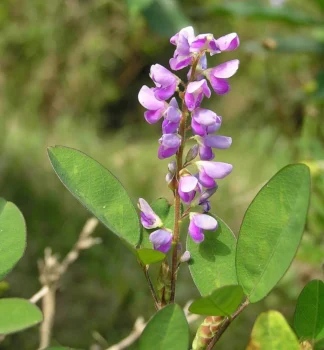
Variable-Leaf Ticktrefoil: A Tropical Ground Cover Worth Considering
If you’re looking for a low-maintenance ground cover that can handle Hawaii’s tropical conditions, variable-leaf ticktrefoil (Desmodium heterophyllum) might catch your attention. Also known as hetero Spanish clover, this perennial herb has quietly made itself at home in the Hawaiian islands, offering gardeners a fast-growing option for covering bare ground.
What Is Variable-Leaf Ticktrefoil?
Variable-leaf ticktrefoil is a non-native perennial that belongs to the legume family. True to its botanical classification as a forb, it’s a non-woody plant that stays close to the ground, reaching only about 6 inches tall at maturity. Don’t expect it to get much bigger – even after 20 years, it tops out at just 1 foot in height.
This prostrate plant spreads via stolons (above-ground runners), creating a carpet-like coverage that can fill in spaces relatively quickly. Its rapid growth rate means you won’t be waiting years to see results.
Geographic Distribution and Native Status
Currently, variable-leaf ticktrefoil grows wild in Hawaii, where it has established itself as a naturalized species. As a non-native plant that reproduces on its own in the wild, it has found conditions in Hawaii suitable for its survival and spread.
- Species observed
- No observations
Garden Appeal and Landscape Role
Let’s be honest – variable-leaf ticktrefoil isn’t going to win any beauty contests. Its small red flowers are pretty inconspicuous, and the plant itself has a fairly modest appearance with medium-textured, reddish foliage. However, what it lacks in showiness, it makes up for in function.
This plant serves several practical purposes in the garden:
- Ground cover for areas needing quick coverage
- Erosion control on slopes
- Nitrogen fixation (though at low levels) to benefit surrounding plants
- Low-maintenance option for difficult spots
Growing Conditions and Care
Variable-leaf ticktrefoil is surprisingly specific about its growing preferences, despite being a tough survivor:
Soil Requirements: It strongly prefers coarse-textured soils and won’t adapt well to fine or medium-textured soils. The plant can handle pH levels between 5.0 and 7.0, with high tolerance for calcium carbonate.
Water and Climate: This plant needs annual precipitation between 16-59 inches and cannot tolerate drought conditions. It requires at least 365 frost-free days per year, making it suitable only for truly tropical climates. The minimum temperature it can handle is 12°F.
Light Conditions: One of its best features is shade tolerance, making it useful in areas where other ground covers might struggle.
Wetland Status: In Hawaii, it’s classified as Facultative Upland, meaning it usually grows in non-wetland areas but can occasionally tolerate wetter conditions.
Planting and Propagation
Getting variable-leaf ticktrefoil started is relatively straightforward, with several propagation options:
- Seeds (about 465,466 seeds per pound!)
- Cuttings
- Sod pieces
- Sprigs
The plant produces abundant seeds from spring through fall, and seedlings show high vigor once established. Both seed and vegetative spread rates are rapid, so expect quick coverage once it gets going.
Should You Plant Variable-Leaf Ticktrefoil?
This is where things get interesting. Variable-leaf ticktrefoil isn’t native to Hawaii (or anywhere in the United States), but it’s also not currently listed as invasive or noxious. It occupies a gray area that many gardeners face with non-native plants that seem harmless.
Consider planting it if you:
- Need quick ground cover in challenging conditions
- Have coarse, sandy soils that other plants reject
- Want a low-maintenance option for shady areas
- Live in tropical Hawaii where it’s already established
However, before choosing variable-leaf ticktrefoil, consider exploring native Hawaiian ground covers that could provide similar benefits while supporting local ecosystems. Native alternatives often offer better wildlife value and are more likely to thrive long-term in local conditions.
If you do decide to plant variable-leaf ticktrefoil, monitor its spread and be prepared to manage it if it becomes too aggressive in your particular garden conditions. Like many fast-spreading plants, what starts as helpful ground cover can sometimes become more enthusiastic than expected.
The Bottom Line
Variable-leaf ticktrefoil fills a specific niche for tropical gardeners needing quick, low-maintenance ground cover for challenging sites. While it may not be the most exciting plant in your garden toolkit, it gets the job done in situations where flashier options might fail. Just remember to weigh the benefits against the potential advantages of choosing native alternatives that support local wildlife and ecosystems.