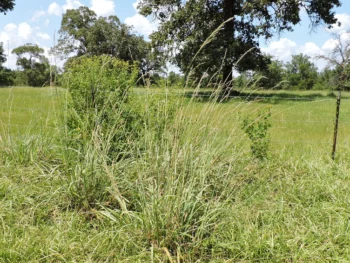
Vasey’s Grass: A Non-Native Grass You Should Think Twice About Planting
If you’ve come across Vasey’s grass (Paspalum urvillei) in your research for landscape plants, you might be intrigued by its robust appearance and easy-care reputation. However, before you add this South American native to your shopping list, there are some important considerations every responsible gardener should know about this perennial grass.
What is Vasey’s Grass?
Vasey’s grass, also known simply as Vasey grass, is a large perennial grass that can grow 3-6 feet tall and form dense, spreading clumps. Originally from South America (Argentina, Uruguay, and southern Brazil), this graminoid has made itself quite at home in many parts of the United States – perhaps a little too much at home.
With its broad leaves and prominent seed heads, Vasey’s grass has a coarse texture that makes it stand out in the landscape. While some might find its robust appearance appealing for large-scale plantings, its aggressive nature tells a different story.
Where You’ll Find It Growing
This non-native grass has established itself across a wide swath of the United States, including Alabama, Arkansas, California, Florida, Georgia, Hawaii, Kansas, Kentucky, Louisiana, Mississippi, Missouri, North Carolina, Oklahoma, South Carolina, Tennessee, Texas, Virginia, as well as Guam, Puerto Rico, and other U.S. territories. It’s particularly well-suited to USDA hardiness zones 8-11.
- Species observed
- No observations
The Invasive Reality
Here’s where things get concerning: Vasey’s grass is classified as a Category 2 invasive species in Alabama, meaning it has the potential to disrupt native ecosystems. This grass reproduces spontaneously in the wild without human intervention and tends to persist wherever it’s introduced. Its ability to thrive in various conditions – from wetlands to dry areas – makes it particularly problematic as an invasive species.
The plant’s facultative wetland status across most regions means it can adapt to both wet and dry conditions, giving it a competitive advantage over native species that may be more specialized in their habitat requirements.
Wildlife Considerations
While Vasey’s grass does provide some wildlife benefits – contributing about 5-10% of the diet for small mammals and terrestrial birds – these benefits come at the cost of displacing native plants that might offer more comprehensive ecosystem services. Native grasses typically provide better long-term support for local wildlife communities.
Why You Should Skip This One
Given its invasive status and aggressive spreading behavior, we strongly recommend against planting Vasey’s grass in your landscape. Here’s why:
- It can outcompete and displace native plant species
- Once established, it can be difficult to control or remove
- It may spread beyond your property boundaries
- It contributes to the homogenization of natural landscapes
Better Native Alternatives
Instead of Vasey’s grass, consider these native alternatives that can provide similar landscape benefits without the ecological risks:
- For erosion control: Native bunch grasses specific to your region
- For large ornamental grass displays: Big bluestem, switchgrass, or other native prairie grasses
- For naturalized areas: Regional native grass meadow mixes
Check with your local native plant society or extension office to find the best native grass alternatives for your specific region and growing conditions.
The Bottom Line
While Vasey’s grass might seem like an easy, low-maintenance choice for your landscape, its invasive tendencies make it a poor choice for responsible gardening. By choosing native alternatives instead, you’ll be supporting local ecosystems while still achieving your landscape goals. Your local wildlife – and your fellow gardeners – will thank you for making the environmentally conscious choice.