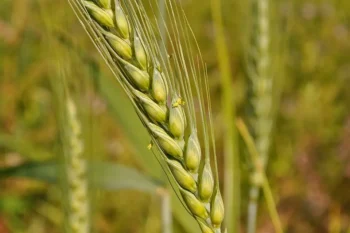
Vavilov’s Wheat: A Rare Treasure Not for Your Garden
If you’ve stumbled across the name Vavilov’s wheat (Triticum vavilovii) in your plant research, you might be wondering if this unique grass could be the next star of your native plant garden. Well, hold onto your gardening gloves, because this is one plant that’s definitely not heading to your local nursery anytime soon – and for very good reason!
What Makes Vavilov’s Wheat So Special?
Named after the famous Russian botanist Nikolai Vavilov, this wild wheat species belongs to the same grass family (Poaceae) that gave us our everyday bread wheat. But unlike its cultivated cousins, Vavilov’s wheat is a wild, undomesticated grass that grows naturally in very specific conditions.
This grass-like plant has the typical appearance you’d expect from a wild wheat – slender stems, narrow leaves, and small seed heads that lack the plump, easily-harvested grains we associate with modern wheat varieties.
Where Does It Come From?
Vavilov’s wheat originates from the Transcaucasus region, including parts of what are now Georgia, Armenia, and Azerbaijan. This mountainous area between Europe and Asia has been a hotspot for wheat diversity for thousands of years.
Why You Shouldn’t (and Can’t) Grow It
Here’s where things get serious, fellow plant lovers. Vavilov’s wheat is extremely rare – so rare that it may actually be extinct in the wild. This isn’t just a hard-to-find plant; it’s a species hanging by a thread, if it’s hanging at all.
Even if you could somehow get your hands on seeds (which you can’t through normal channels), this plant:
- Requires very specific growing conditions that are nearly impossible to replicate in home gardens
- Has extremely specialized soil and climate needs
- Offers no ornamental value for typical landscaping
- Should only be grown by specialized botanical institutions for conservation purposes
The Conservation Angle
If Vavilov’s wheat still exists, it’s likely only in seed banks or specialized research facilities. These wild wheat species are incredibly important for plant breeding and food security – they contain genetic diversity that could help develop new crop varieties resistant to diseases, pests, or climate change.
This is definitely a case where leave it to the professionals applies. Conservation botanists and agricultural researchers are the folks equipped to handle such precious genetic material.
Better Alternatives for Your Garden
If you’re interested in growing native grasses or grain-like plants, consider looking into:
- Native bunch grasses that are actually native to your specific region
- Ornamental grasses that provide habitat for wildlife
- Heritage grain varieties that are suitable for home cultivation
Your local native plant society or extension office can help you identify which grasses are truly native to your area and appropriate for home gardens.
The Bottom Line
While Vavilov’s wheat has immense scientific and conservation value, it’s not a plant for home gardeners. Its extreme rarity means it belongs in the hands of conservation professionals, not in our backyard gardens. Sometimes the best way to appreciate a plant is to admire it from afar and support the scientists working to preserve it for future generations.
Instead of chasing after this botanical unicorn, why not explore the wonderful world of native grasses that are actually suited to your local ecosystem? Your local wildlife will thank you, and you’ll have a much better chance of gardening success!